
 English
 русский
 Español
 简体中文
简体中文
Recommended products
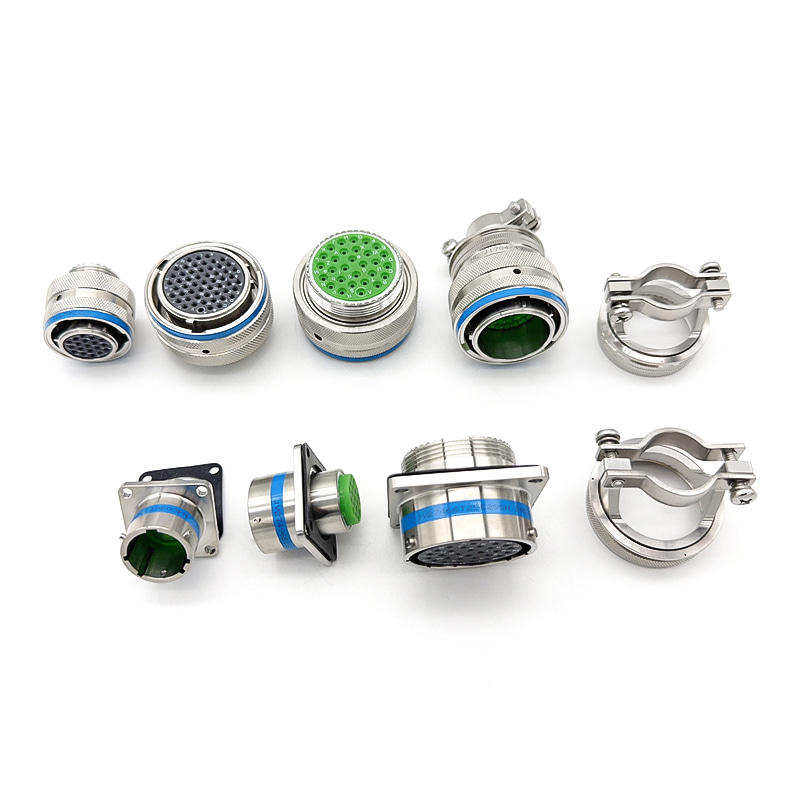
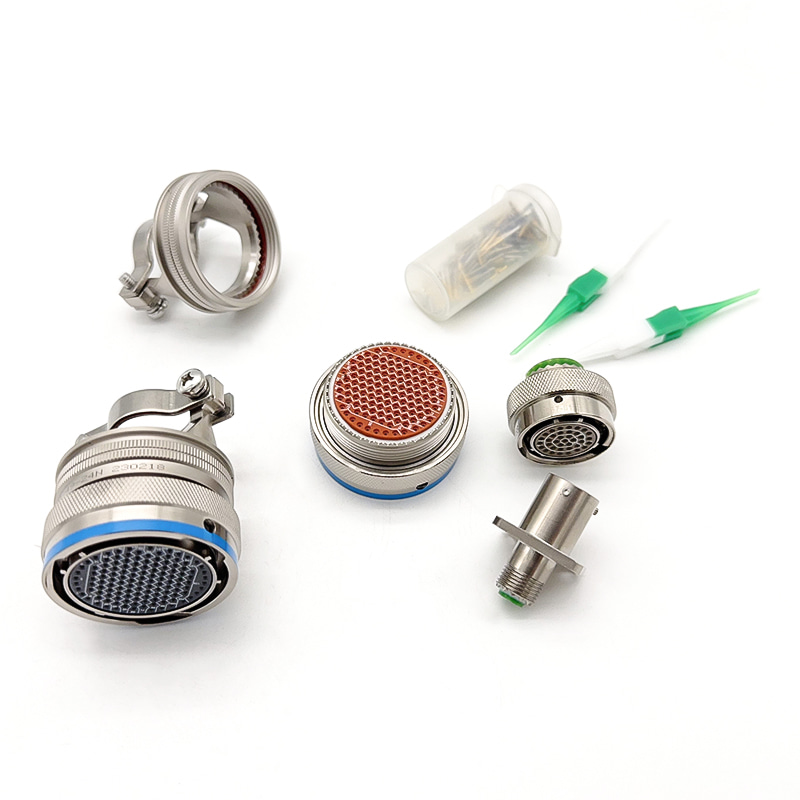
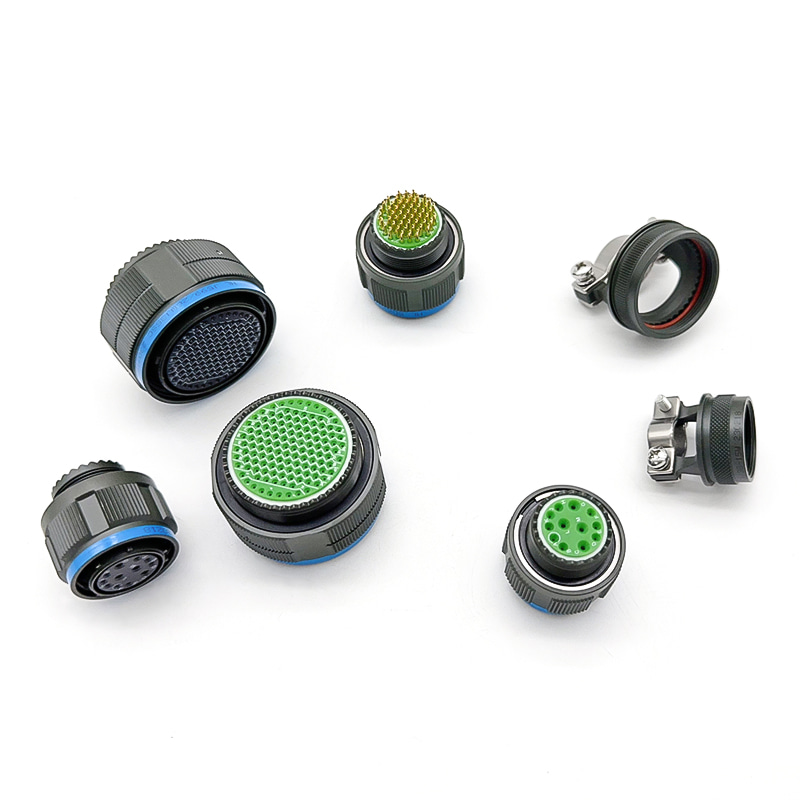
Mechanical Integrity and Thermal Resilience: Specifying Rectangular Electrical Connector for Extreme Environments
Industry NewsAuthor: Admin
- 1 Mechanical Integrity and Thermal Resilience: Specifying Rectangular Electrical Connector for Extreme Environments
- 1.1 Introduction: The Demand for Uncompromised Stability
- 1.2 Ensuring Connection Stability: Mechanical Locking Systems
- 1.3 Material Selection for Extreme Thermal Performance
- 1.4 Manufacturer Expertise and Reliability Assurance
- 1.5 Conclusion: Specifying for Absolute Reliability
- 1.6 Frequently Asked Questions (FAQ)
Mechanical Integrity and Thermal Resilience: Specifying Rectangular Electrical Connector for Extreme Environments
Introduction: The Demand for Uncompromised Stability
The Challenges of Dynamic and Severe Operating Conditions
- System reliability in critical sectors such as marine equipment, aerospace avionics, and oil and gas geophysical exploration is fundamentally dependent on the integrity of the electrical interconnects. The Rectangular Electrical Connector provides a high-density, multi-contact solution, but its stability must be guaranteed against factors like continuous random vibration (e.g., railway applications) and rapid, extreme thermal cycling (e.g., satellite systems).
- For B2B engineers, selection in these severe environments must prioritize robust mechanical locking mechanisms and advanced material science over standard commercial-grade solutions. Manufacturers like Taizhou Henglian Electric Co., Ltd., which supplies military-standard connectors (such as the J29A and J63A series), specialize in engineering for these precise, high-stress conditions.
Ensuring Connection Stability: Mechanical Locking Systems
Advanced Anti-Vibration and Shock Resistance Mechanisms
- Vibration and shock primarily lead to two failure modes: connector disengagement and intermittent contact resistance due to contact fretting. The most effective defense against disengagement is a dedicated mechanical lock.
- When selecting a Rectangular electrical connector anti-vibration locking mechanism, the jack-screw system is often preferred for large, high-pin-count connectors. It provides a positive, high-retention force that mechanically locks the plug and receptacle shells together, preventing separation under severe axial forces or vibration. Other High shock rectangular electrical connector design features include robust metal shells and internal guides that prevent contact misalignment during impact.
Mechanical Locking Mechanism Comparison
The choice of locking mechanism is directly proportional to the required mechanical stability and ease of mating/unmating.
| Locking Mechanism | Holding Force (Axial Retention) | Vibration Resistance | Application Suitability |
| Friction/Detent Latch | Low to Moderate | Moderate (Risk of fretting/wear) | Standard Industrial, Low Vibration |
| Jack-Screw/Screw Lock | Very High (Positive mechanical lock) | Excellent (Prevents disengagement and fretting) | Military, Aerospace, High Shock/Vibration |
Testing and Validation for Dynamic Stress
- Engineers must verify performance against recognized standards. Rectangular electrical connector vibration test standards often involve subjecting the mated connector to high-frequency, high-amplitude random vibration profiles (e.g., per GJB150 or MIL-STD-202) while monitoring for electrical discontinuities exceeding 1 microsecond.
- These tests confirm that the combination of the locking mechanism and the individual contact retention system (the crimp/poke-home mechanism) maintains electrical integrity throughout the dynamic stress cycle, which is essential for ensuring the reliability characteristic of products from high-tech enterprises like Taizhou Henglian Electric Co., Ltd.
Material Selection for Extreme Thermal Performance
Shell, Insulator, and Contact Materials for High Temperatures
- Extreme temperature environments (e.g., down-hole drilling or jet engine avionics) challenge the fundamental structure of the connector. The Best rectangular connector materials for high temperature are those with high Glass Transition Temperatures (Tg) and exceptional dimensional stability.
- Insulators must be chosen from materials like Polyether ether ketone (PEEK) or specialized thermosetting resins, which maintain dielectric strength and rigidity above 200 degrees Celsius. Shells are often made from corrosion-resistant, high-strength aluminum alloys or stainless steel to maintain structural integrity under thermal expansion and contraction.
High-Temperature Material Property Comparison
Material selection is driven by the maximum operational temperature and required dimensional stability.
| Component | Standard Material (Max Temp approx. 125°C) | High-Temperature Material (Max Temp approx. 175°C - 200°C) |
| Insulator | Nylon/Standard Thermoplastic | PEEK, Polyimide, or Fluorocarbon Resins |
| Contact Spring | Phosphor Bronze | Beryllium Copper (High Modulus, Heat Treated) |
Managing Thermal Cycling and Contact Force
- The core engineering challenge when considering How to select rectangular connector for extreme thermal cycling is the Coefficient of Thermal Expansion (CTE) mismatch between the metal shell, plastic insulator, and copper contacts. Large CTE differences can induce significant stress, leading to contact misalignment or relaxation of the contact spring force.
- Specialized designs utilize floating contacts and advanced spring elements (like high-modulus Beryllium Copper) that ensure the minimum required normal contact force is maintained across the entire temperature range, guaranteeing continuity and preventing fretting corrosion, a key feature of high-reliability products like the J30J series.
Manufacturer Expertise and Reliability Assurance
Compliance with High-Reliability Standards
- Taizhou Henglian Electric Co., Ltd. is dedicated to producing specialized electrical connectors for demanding sectors, including weapons and aerospace. Our operational compliance, certified by GJB9001C-2017 and secondary secret certification, confirms our adherence to the rigorous quality and testing protocols necessary for high-reliability components.
- Our technical center and modern inspection facilities ensure that every Rectangular Electrical Connector—from the J7 series to the military-grade J29A—meets its specified shock, vibration, and thermal parameters, leveraging sophisticated production techniques to deliver three-defense functionality and high reliability that meet critical customer needs.
Conclusion: Specifying for Absolute Reliability
- Selecting a Rectangular Electrical Connector for severe environments mandates an engineering approach that prioritizes proven mechanical locking systems, such as the Rectangular electrical connector anti-vibration locking mechanism, and materials validated for the extreme thermal range. This technical diligence ensures long-term connection stability and functional integrity in the face of the harshest operational realities.
Frequently Asked Questions (FAQ)
- Q: What is the primary failure mode of a rectangular connector in a high-vibration environment lacking a positive lock?
- A: The primary failure mode is contact fretting corrosion, where small, repetitive movements between the mated contacts wear away the gold plating, exposing the base metal. This leads to increased contact resistance and intermittent electrical faults, which the Rectangular electrical connector anti-vibration locking mechanism is designed to prevent.
- Q: How do High shock rectangular electrical connector design features differ from standard industrial connectors?
- A: High shock connectors typically feature thicker, non-splittable metal shells, high-force coupling mechanisms (like jack-screws), and specialized contact retention systems that resist dislodgement under high G-forces. The internal insulator structure is often reinforced to prevent cracking upon impact.
- Q: What is the role of the insulator's CTE when selecting Best rectangular connector materials for high temperature?
- A: The insulator's Coefficient of Thermal Expansion (CTE) must be closely matched to the metal shell and contacts. A significant CTE mismatch at high temperatures can cause the insulator to expand or contract differently, stressing the contacts, leading to potential loss of normal force, or warping.
- Q: How does a manufacturer validate compliance with Rectangular electrical connector vibration test standards?
- A: Validation is typically performed using triaxial shakers programmed to apply random vibration profiles (per MIL-STD or GJB standards). The test involves monitoring all contacts for electrical discontinuities using a nanosecond event detector while the connector is subjected to the full vibration spectrum.
- Q: When considering How to select rectangular connector for extreme thermal cycling, what material is critical for the contact itself?
- A: Beryllium Copper (BeCu) is often critical. After being heat-treated, BeCu maintains a very high elastic modulus, ensuring the contact spring force remains stable and effective across the entire operating temperature range, counteracting the effects of thermal relaxation.

- Address : Jiangping South Road, Zhangqiao Industrial Park, Taixing City, Jiangsu Province, China
- Phone : +86 176 0151 5794
- Whatsapp : +86 176 0151 5794
- Email :[email protected]
- Email :[email protected]
Copyright © Taizhou Henglian Electric Co., Ltd
