
 English
 русский
 Español
 简体中文
简体中文
Recommended products
Longevity and Signal Integrity: Advanced Evaluation of Rectangular Electrical Connector Performance
Industry NewsAuthor: Admin
- 1 Contact Resistance: The Foundation of Reliability
- 2 Mating Cycles and Mechanical Endurance
- 3 Impact on Signal Integrity (SI)
- 4 Manufacturing and Quality Assurance for Longevity
- 5 Frequently Asked Questions (FAQ)
- 5.1 How does increasing the normal force of a contact affect the mating cycle rating?
- 5.2 Why is Gold plating thickness effect on contact resistance so critical in high-reliability connectors?
- 5.3 What is the main difference between durability and life expectancy when discussing mating cycles?
- 5.4 How can Signal integrity issues rectangular electrical connector be detected during system operation?
Introduction: Defining Reliability in Interconnect Systems
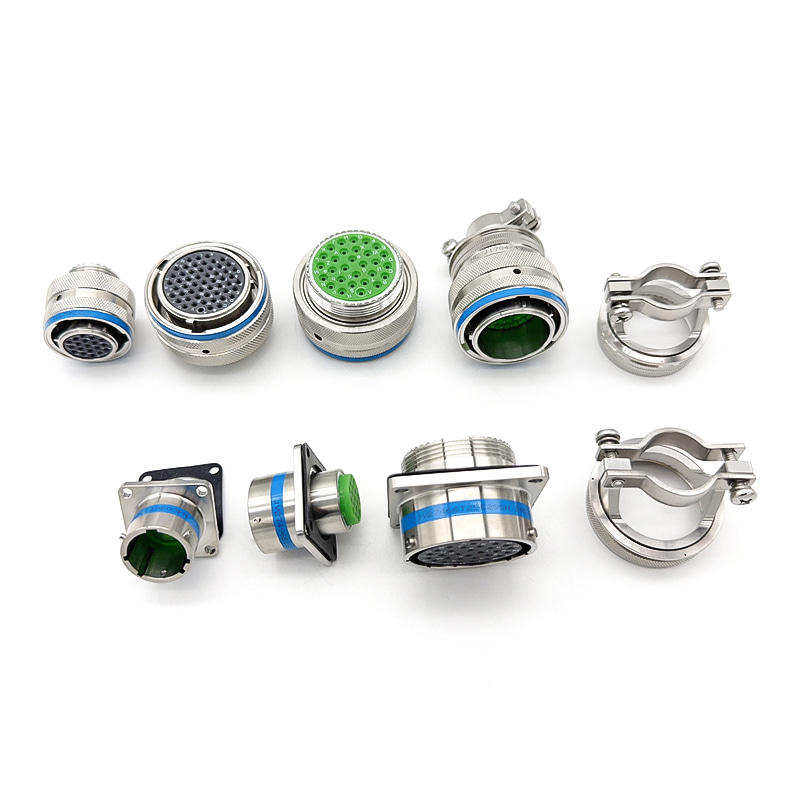
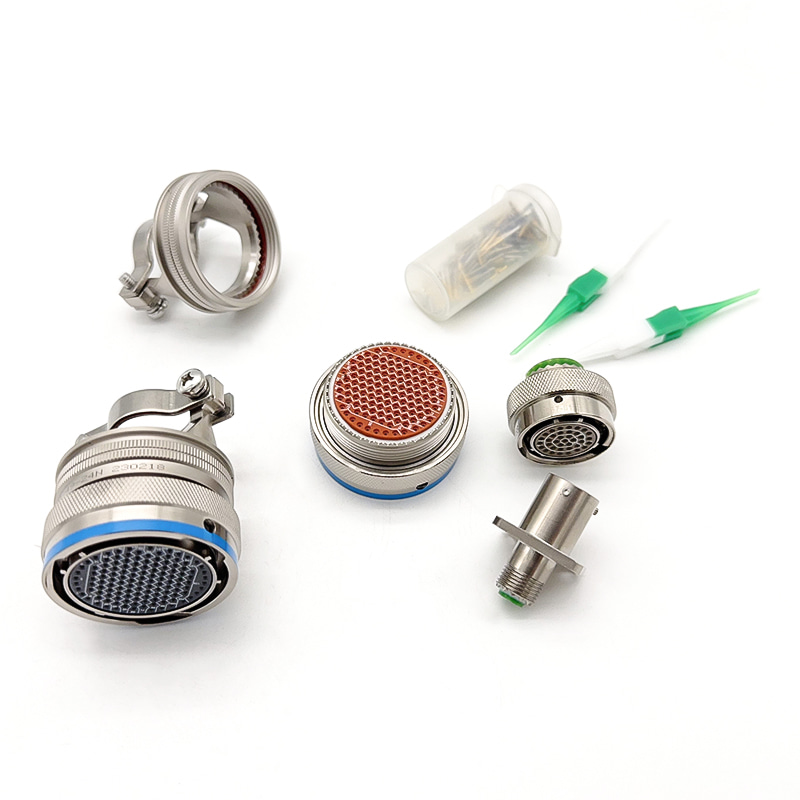
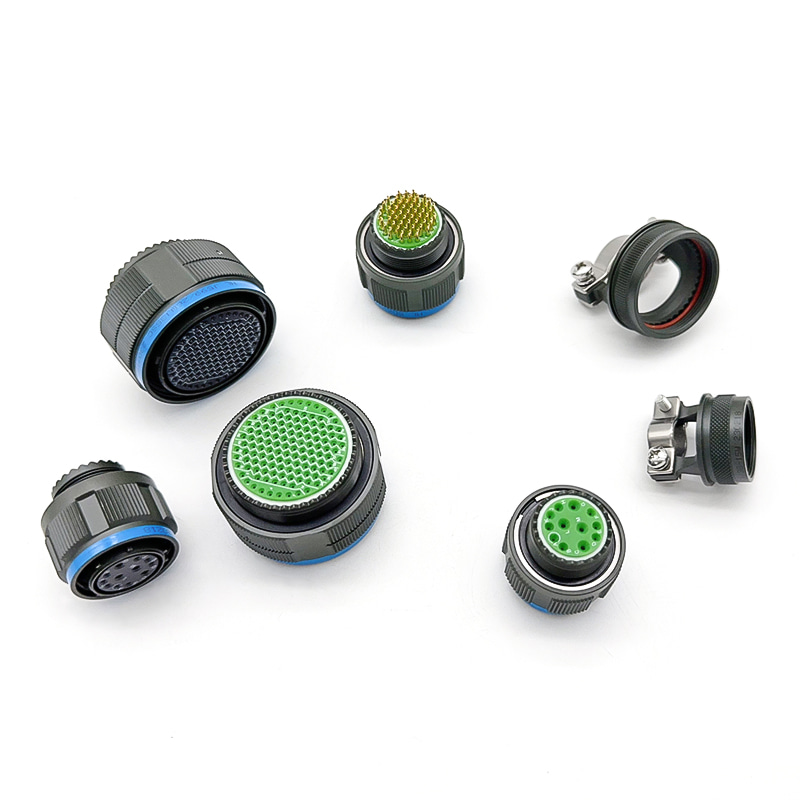
In mission-critical sectors such as military avionics, ground radar systems, and aerospace applications, the Rectangular Electrical Connector serves as a high-density nerve center. Its performance must be predictable not just upon initial installation, but across its entire design life, often spanning thousands of mating cycles and years of harsh environmental exposure.
For design engineers and B2B buyers, two metrics are paramount for long-term assurance: the stability of contact resistance and the endurance of the mating mechanism. Taizhou Henglian Electric Co., Ltd. specializes in developing products (such as the J29A and J63A series) that meet these stringent, high-reliability standards.
Contact Resistance: The Foundation of Reliability
Analyzing Initial and Dynamic Contact Resistance
Contact resistance is the sum of bulk resistance and constriction resistance at the interface of the mated contacts. This is the single most important factor determining power loss (heat generation) and voltage drop across the connector. A thorough Rectangular electrical connector contact resistance analysis confirms that high-reliability connectors exhibit initial resistance values measured in milliohms and, critically, must maintain that low level throughout the connector's intended lifespan.
A rise in resistance above a specified limit (often 1.5 to 2 times the initial value) is typically defined as the end-of-life electrical failure criterion. Unstable contact resistance directly impacts system performance by introducing noise, thermal stress, and power inefficiency.
Contact Resistance Limits: Power vs. Signal Applications
Acceptable contact resistance varies significantly based on the application's sensitivity to voltage drop and thermal buildup.
| Application Type | Typical Current per Contact | Initial Contact Resistance Limit (Max) | Reliability Impact |
| High Power/Current | Greater than 5A | 5 mΩ to 10 mΩ | Thermal Runaway, Power Loss |
| Low Level Signal/Data | Less than 1A | Less than 30 mΩ | Voltage Drop, Data Corruption |
The Role of Contact Plating in Minimizing Resistance
Plating materials are fundamental to maintaining low and stable electrical pathways. Gold is the preferred choice for high-reliability and low-level signal applications due to its inertness (resistance to oxidation) and low inherent resistivity.
The Gold plating thickness effect on contact resistance is significant: while thicker plating offers a longer wear life, a minimum effective thickness is required to ensure complete porosity-free coverage, preventing the base metal from oxidizing. For military-grade connectors, plating thicknesses often exceed 1.27 micrometers (50 micro-inches) to ensure a high High reliability rectangular connector mating cycle rating.
Plating Material Comparison for Contact Reliability
| Plating Material | Primary Failure Mechanism | Mating Cycle Capability | Contact Resistance Stability |
| Gold (Au) | Wear-through (Erosion) | High (500+ cycles) | Excellent (Very high stability) |
| Tin (Sn) | Oxidation (Fretting corrosion) | Low (50 cycles max) | Poor (Resistance increases rapidly) |
Mating Cycles and Mechanical Endurance
Evaluating Wear and the Maximum Mating Cycle Rating
The mating cycle rating represents the mechanical endurance of the connector system before a functional failure occurs. This is not solely determined by the plating, but by the contact's normal force, geometry, and the overall system alignment. Connectors specified for frequent connection and disconnection require specialized low-friction designs.
Achieving a high High reliability rectangular connector mating cycle rating (e.g., 500 or 1,000 cycles) is a manufacturing achievement, relying on consistent spring temper, precise tolerances, and superior surface finishing, which are hallmarks of Taizhou Henglian Electric Co., Ltd.
Assessing Lifespan: Predicting End-of-Life Failure
The primary method for How to test rectangular electrical connector life expectancy involves repetitive mechanical cycling at maximum speed, often coupled with environmental stress (e.g., humidity or temperature shock). The connector is deemed to have reached its end-of-life when the contact resistance exceeds the predefined failure limit.
Impact on Signal Integrity (SI)
Maintaining High-Speed Performance
In modern data-intensive systems, the Rectangular Electrical Connector must transmit high-speed digital data reliably. Degradation of contact performance leads directly to Signal integrity issues rectangular electrical connector, characterized by increased Insertion Loss, Return Loss, and excessive jitter.
Instability in resistance and contact geometry causes impedance mismatch, scattering the signal energy. Thus, selecting a connector validated for its high-speed performance, where the contact resistance remains stable over thousands of cycles, is essential for maintaining the Bit Error Rate (BER) within acceptable limits.
Manufacturing and Quality Assurance for Longevity
Commitment to High-Reliability Standards
Taizhou Henglian Electric Co., Ltd.'s commitment to quality is underpinned by its GJB9001C-2017 certification and possession of sophisticated production and inspection equipment. The consistent manufacturing of high-tolerance contact parts, coupled with stringent process controls for plating thickness, guarantees the published High reliability rectangular connector mating cycle rating.
Our core competency lies in producing connectors with intrinsic three-defense function, high density, and high reliability, specifically designed to withstand the physical and electrical stress inherent in military, aerospace, and critical infrastructure applications.
Frequently Asked Questions (FAQ)
How does increasing the normal force of a contact affect the mating cycle rating?
A higher normal force generally ensures lower initial contact resistance and better vibration performance but increases the friction during mating. If not properly compensated by plating and lubrication, this can accelerate wear, potentially lowering the High reliability rectangular connector mating cycle rating.
Why is Gold plating thickness effect on contact resistance so critical in high-reliability connectors?
Gold does not oxidize. If the gold layer is too thin or porous, the base metal underneath can oxidize after wear, leading to a catastrophic increase in contact resistance, often exceeding the failure limit established in the Rectangular electrical connector contact resistance analysis.
What is the main difference between durability and life expectancy when discussing mating cycles?
Durability often refers to the mechanical survival (the connector stays physically intact). Life expectancy refers to the cycles before the electrical performance (usually contact resistance) degrades past a specified threshold, as determined by testing regarding How to test rectangular electrical connector life expectancy.
How can Signal integrity issues rectangular electrical connector be detected during system operation?
Signal integrity issues manifest as increased Bit Error Rates (BER) in digital systems or excessive noise in analog systems. Testing typically involves using Time Domain Reflectometry (TDR) to assess impedance uniformity and Vector Network Analyzers (VNA) to measure insertion and return loss across the operating frequency band.

- Address : Jiangping South Road, Zhangqiao Industrial Park, Taixing City, Jiangsu Province, China
- Phone : +86 176 0151 5794
- Whatsapp : +86 176 0151 5794
- Email :[email protected]
- Email :[email protected]
Copyright © Taizhou Henglian Electric Co., Ltd
