
 English
 русский
 Español
 简体中文
简体中文
Recommended products
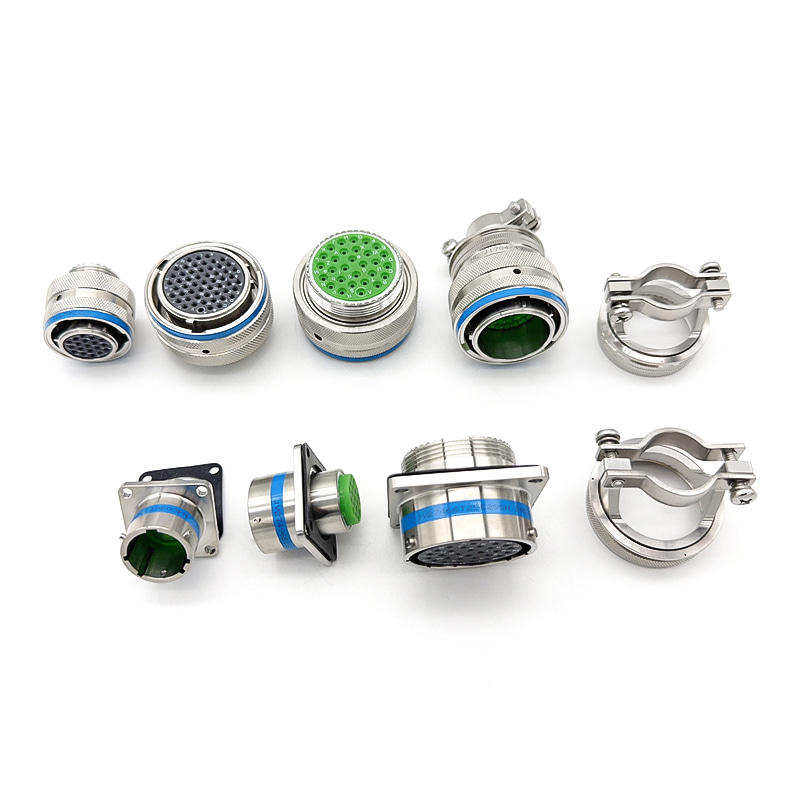
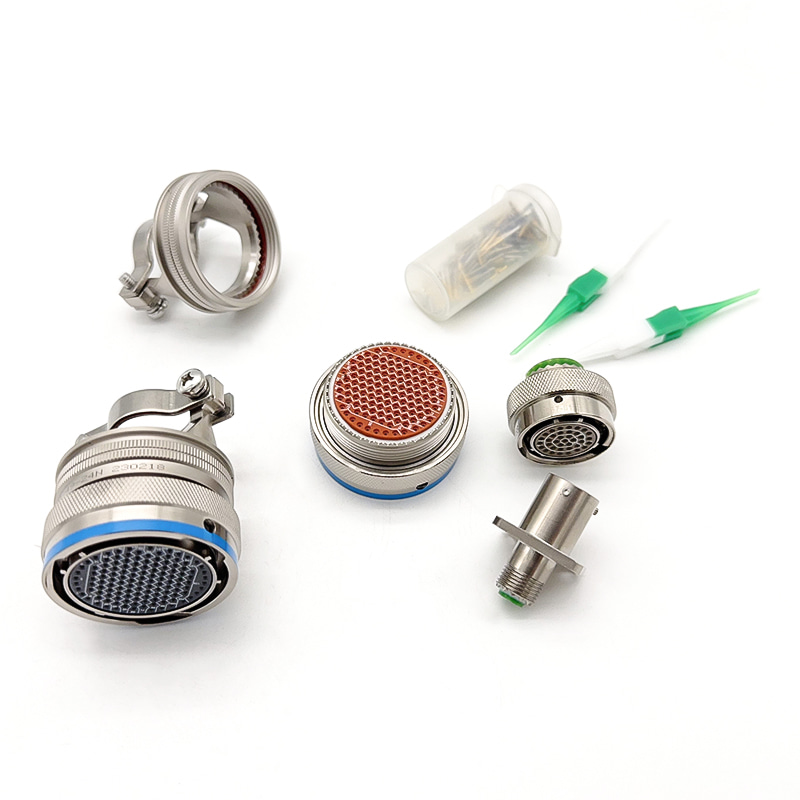
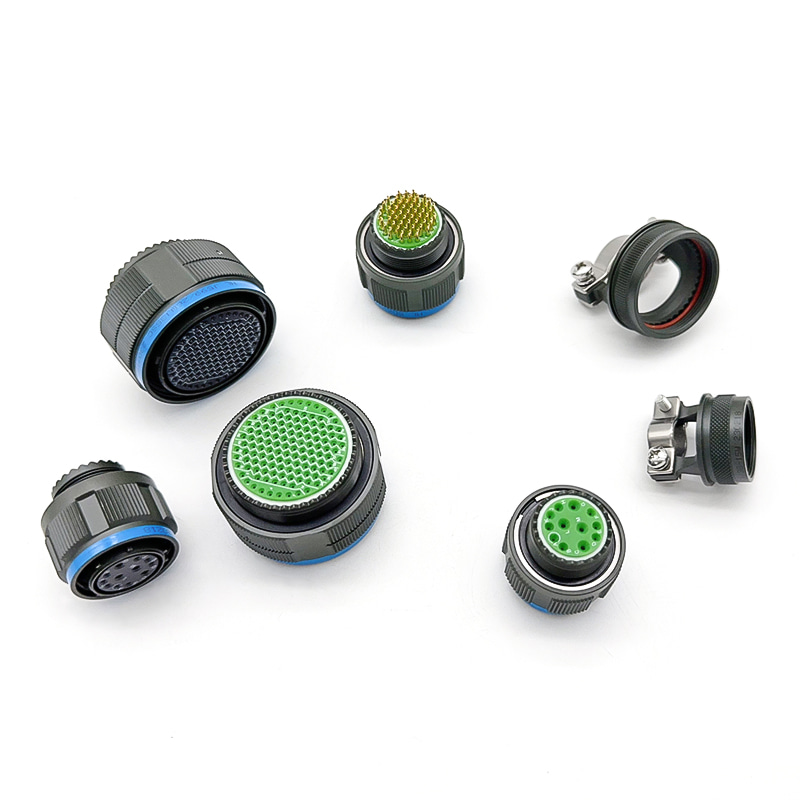
How Do Military Style Electrical Connectors Perform in Extreme Environmental Conditions Compared to Industrial Standards?
Industry NewsAuthor: Admin
- 1 Engineering Resilience: Military vs. Industrial Standards
- 2 Environmental Protection: Sealing and Shielding
- 3 Signal Integrity: The Role of Contact Technology
- 4 Frequently Asked Questions (FAQ)
- 4.1 1. What is the main advantage of mil-spec circular connector vibration resistance?
- 4.2 2. Can ip68 rated military electrical connectors be used in saltwater?
- 4.3 3. Why are emi shielded harsh environment connectors necessary for robotics?
- 4.4 4. What does thermal shock testing for aviation connectors involve?
- 4.5 5. Why choose gold plated crimp contacts for signal integrity?
In high-stakes mission-critical applications, the failure of a single interconnection can lead to catastrophic system downtime. Engineers must choose between military style electrical connectors and standard industrial-grade components based on a rigorous assessment of environmental stressors. At Taizhou Henglian Electric Co., Ltd., we specialize in the development and high-precision manufacturing of circular and rectangular connectors that meet the stringent demands of aerospace, maritime, and defense sectors.
Founded in 2011 in Taixing, the "Ginkgo town" of the Yangtze River delta, our facility houses over 150 employees, including a technical core of 30+ specialists. With 30 million yuan in fixed assets and advanced Germany imported Karlmeyer equivalent precision machining, we produce military style electrical connectors that adhere to both national and international quality benchmarks, including GJB9001C-2017 and second-level secret certification for weapons and equipment research.
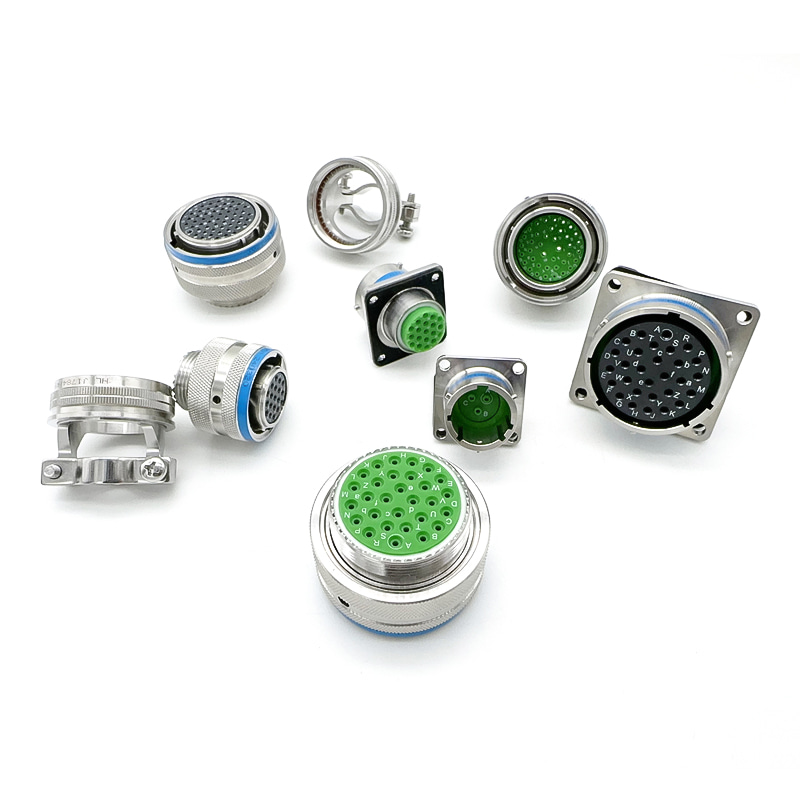
Engineering Resilience: Military vs. Industrial Standards
The primary differentiator between these two classes of connectors lies in their material science and mechanical architecture. While industrial connectors are designed for controlled factory environments, military style electrical connectors are engineered for "three-defense" functions: moisture-proof, salt-spray resistant, and mold-proof. According to a 2024 report by Global Market Insights Inc., the market for military-grade interconnects is projected to grow to $2.3 billion by 2025, driven largely by the need for enhanced durability in autonomous defense systems.
Source: Military Connectors Market Size & Trends Report 2034
Mechanical Integrity: Vibration and Shock
In aerospace applications, mil-spec circular connector vibration resistance is a non-negotiable requirement. Military connectors utilize triple-start threads and anti-decoupling ratchets to prevent unmating under frequencies reaching 60g. Industrial connectors often rely on simple plastic latches or friction fits, which fail under the kinetic energy of heavy artillery or jet engines.
| Performance Metric | Industrial Standard (Commercial) | Military Style (e.g., J599, Y50) |
| Vibration Resistance | Standard 10g-20g peak | High-frequency 60g sine / 41.7g random |
| Shock Resilience | 50g for 11ms (Typical) | 300g for 3ms (Aviation grade) |
| Locking Mechanism | Plastic clip or simple bayonet | Self-locking threads or breech coupling |
Environmental Protection: Sealing and Shielding
Protecting sensitive data and power transmission from the elements requires superior ingress protection. IP68 rated military electrical connectors provide hermetic sealing that remains functional at depths of 2 meters for extended periods. Furthermore, emi shielded harsh environment connectors utilize nickel or cadmium-plated shells and grounding fingers to maintain shell-to-shell conductivity below 2.5 mV, preventing radio frequency interference in electronic warfare scenarios.
Thermal Endurance and Material Stability
The thermal shock testing for aviation connectors ensures that the thermoplastic and fluorinated silicone elastomers do not crack when transitioning from -65°C to +200°C. Standard industrial connectors typically max out at +85°C, making them unsuitable for the temperature extremes of the Second Artillery or aerospace deployments. As of 2025, updated protocols in the IPC/WHMA-A-620E standard mandate even stricter strain relief and crimp tolerances for Class 3 (Military) assemblies to ensure long-term reliability.
Source: IPC/WHMA-A-620 Standard Guide and Benefits
| Environmental Factor | Industrial Connector | Henglian Military Grade |
| Temperature Range | -40°C to +85°C | -65°C to +200°C (Series III) |
| Corrosion Resistance | 48-hour Salt Spray | 500-hour Salt Spray (Olive Drab Cadmium) |
| EMI Protection | None or basic foil | 360° Shielding with metal-to-metal contact |
Signal Integrity: The Role of Contact Technology
Reliability starts at the contact point. Using gold plated crimp contacts for signal integrity ensures low contact resistance and prevents oxidation over thousands of mating cycles. At Taizhou Henglian Electric Co., Ltd., our J599 and YGD series connectors utilize high-density arrangements with up to 187 contacts, supporting both high-speed data and power up to 23A per pin.
- High Density: Optimized shell sizes for miniaturization in UAVs and handheld equipment.
- Electronic Compatibility: Engineered for minimal crosstalk in complex weapon systems.
- Qualified Supply: Certified by the General Staff Communications Department and Ministry of Information Industry.
Frequently Asked Questions (FAQ)
1. What is the main advantage of mil-spec circular connector vibration resistance?
This resistance ensures that the electrical connection remains continuous even during high-altitude maneuvers or ground-based explosions. Standard connectors would suffer from "contact chatter" or physical disconnection in these environments.
2. Can ip68 rated military electrical connectors be used in saltwater?
Yes. When specified with marine bronze or olive drab cadmium plating, these connectors withstand the corrosive effects of saline environments, making them ideal for naval installations and sub-sea exploration.
3. Why are emi shielded harsh environment connectors necessary for robotics?
Modern military and industrial robotics operate near high-power motors and radio transmitters. EMI shielding prevents these signals from corrupting sensitive sensor data, which is critical for autonomous navigation.
4. What does thermal shock testing for aviation connectors involve?
The test involves rapidly cycling the connector between extreme cold and extreme heat. This verifies that the internal seals (O-rings) and insulators do not degrade, maintaining the hermetic seal of the unit.
5. Why choose gold plated crimp contacts for signal integrity?
Gold is a noble metal that does not corrode. Crimp terminations provide a gas-tight seal that is more resistant to vibration and thermal expansion than traditional soldering, ensuring a reliable connection for years.

- Address : Jiangping South Road, Zhangqiao Industrial Park, Taixing City, Jiangsu Province, China
- Phone : +86 176 0151 5794
- Whatsapp : +86 176 0151 5794
- Email :[email protected]
- Email :[email protected]
Copyright © Taizhou Henglian Electric Co., Ltd
