
 English
 русский
 Español
 简体中文
简体中文
Recommended products
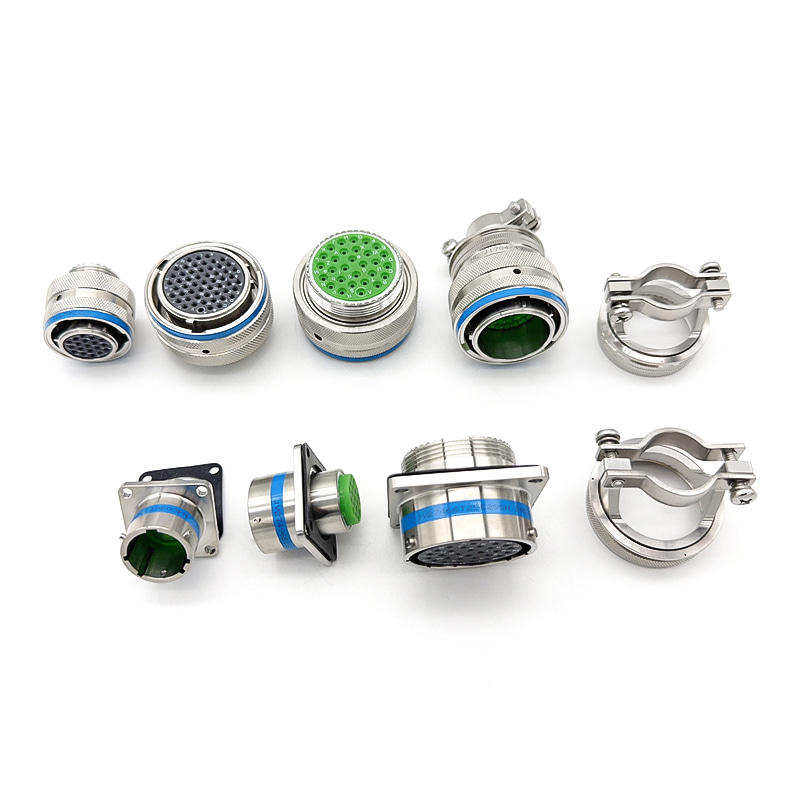
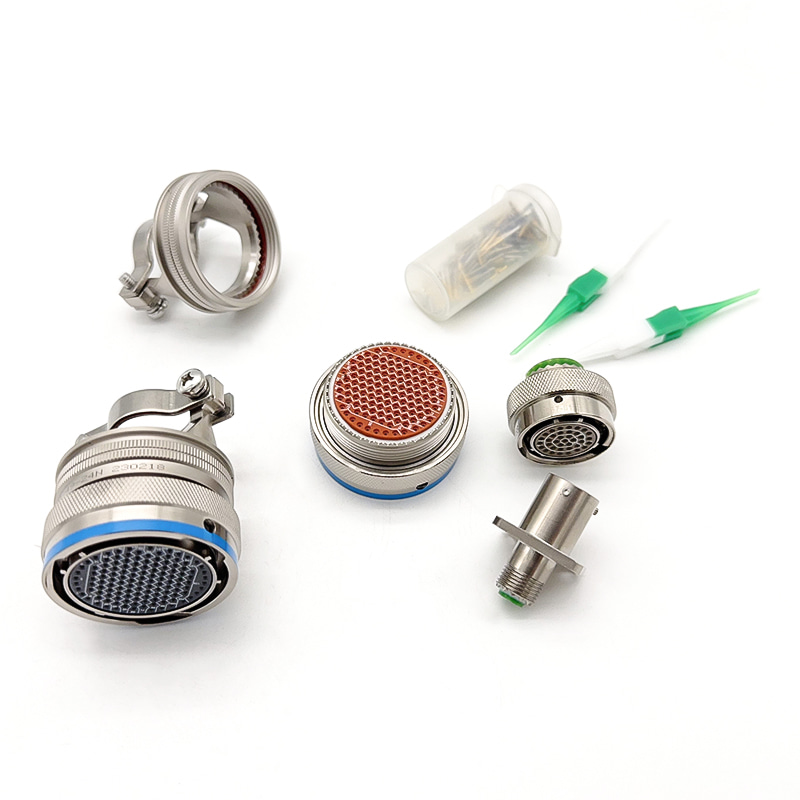
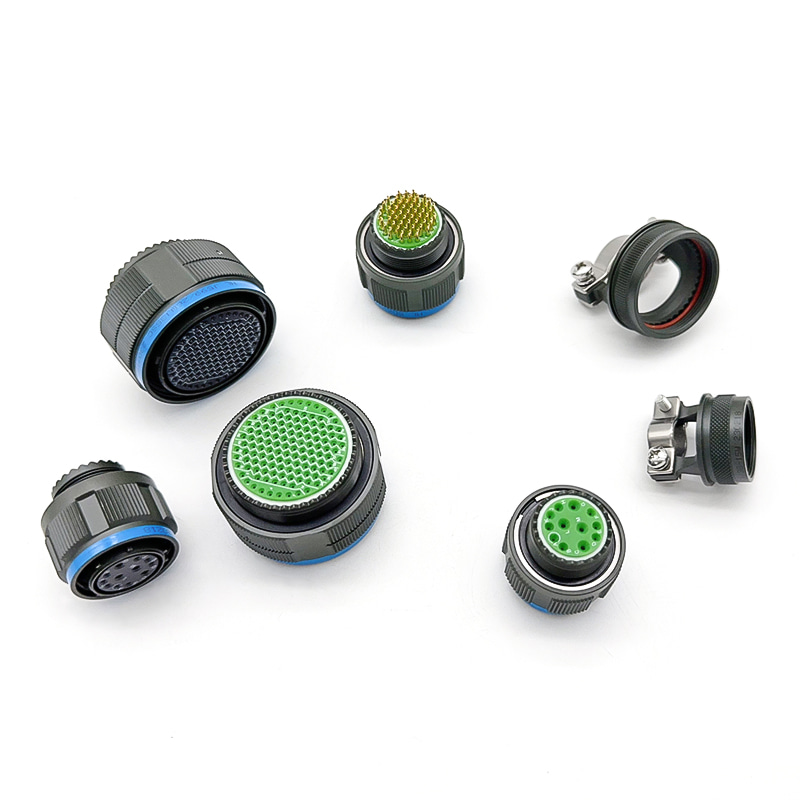
Precision Engineering: Selecting Rectangular Electrical Connector Ratings and Protection for Optimal System Performance
Industry NewsAuthor: Admin
Specifying High-Reliability Interconnects
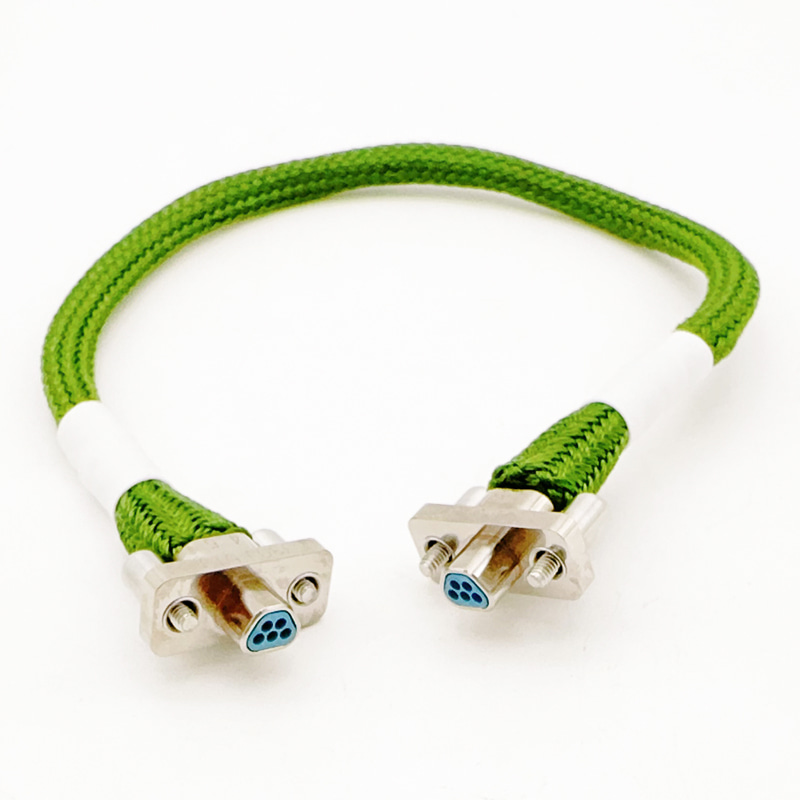
The Critical Role of the Rectangular Electrical Connector in Complex Systems
- In military, aerospace, railway, and national power grid applications—fields where performance failure is unacceptable—the selection of the
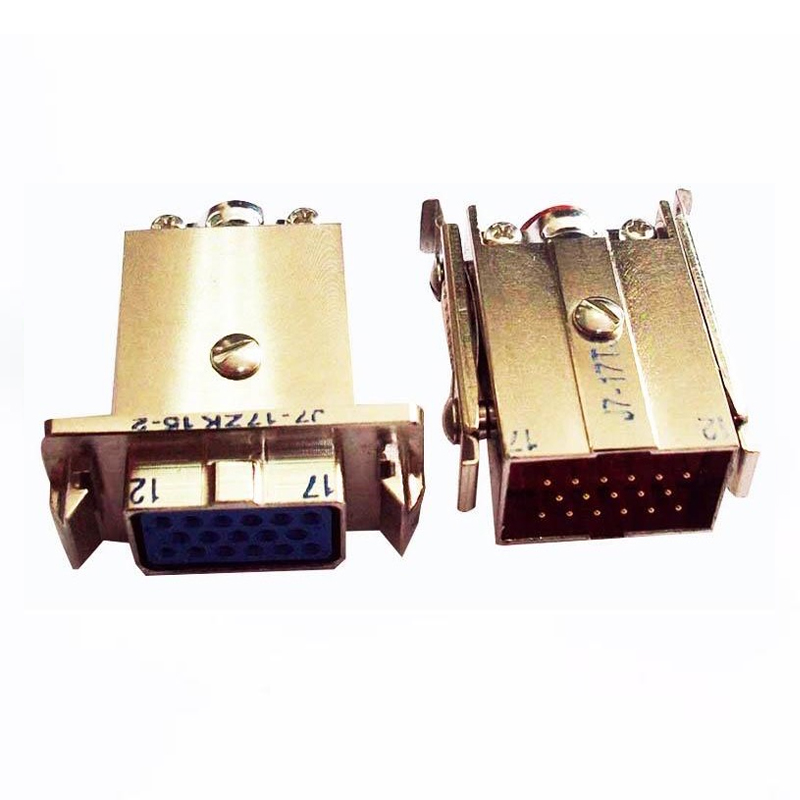
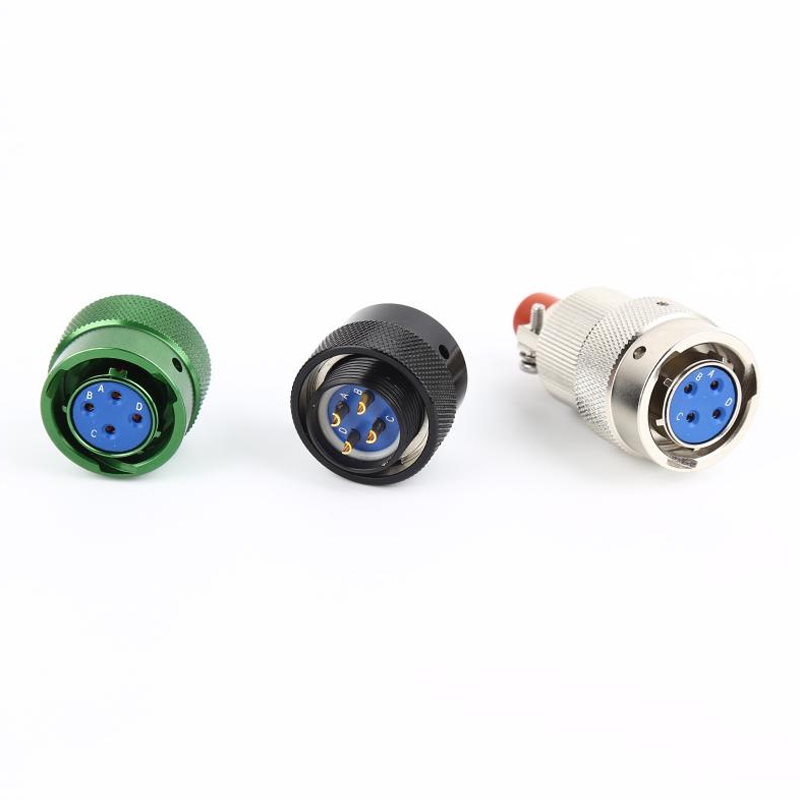
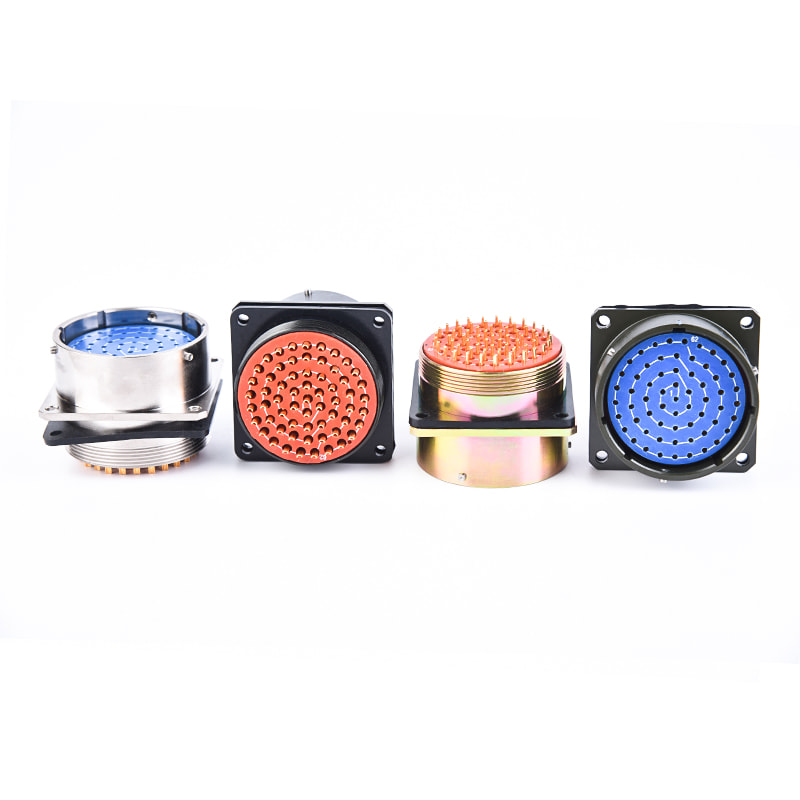
Rectangular Electrical Connector is a critical engineering task. These connectors are instrumental in providing high-density, reliable interconnections in rack-and-panel, modular, and black-box systems. - For B2B procurement and design engineers, proper specification requires a deep understanding of how environmental factors influence electrical parameters. This guide focuses on correlating application needs with the required current/voltage ratings and environmental protection levels. Taizhou Henglian Electric Co., Ltd., with its history since 2011 and focus on military standards (Y11, J599, J29A series), exemplifies the commitment to this high-reliability sector.
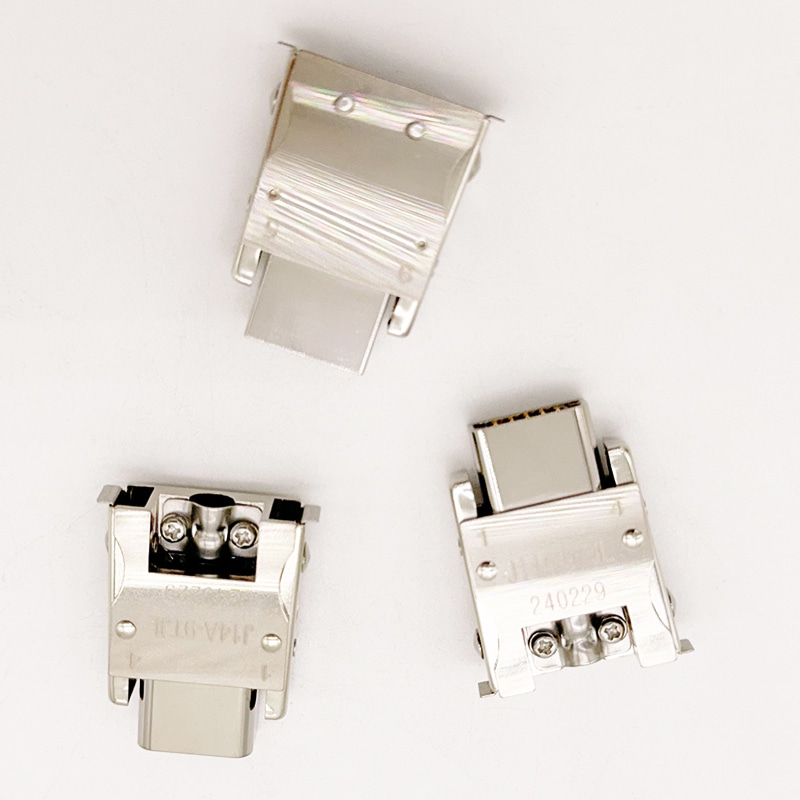
Establishing Electrical Ratings: Current and Voltage
Current Carrying Capacity and Thermal Management
- The current rating of a
Rectangular Electrical Connector is fundamentally limited by the maximum temperature rise allowed on the contact pin. This is determined by contact resistance, the contact material (e.g., copper alloys with gold plating), and the contact density within the connector housing. - When consulting a
high current rectangular electrical connector selection guide , engineers must look beyond the single-contact rating and utilize the connector's de-rating curve. This curve dictates the maximum allowable current when multiple contacts are energized simultaneously (contact density), especially in high-ambient-temperature environments, to prevent thermal runaway and premature material degradation.
Current De-Rating Based on Contact Density
Thermal management is key to maintaining long-term electrical performance and reliability.
| Percentage of Contacts Energized | Ambient Temperature Rise Limitation | Contact De-Rating Factor (Typical) |
| $100\%$ (All Contacts) | $\Delta T = 30^\circ C$ | $60\% - 70\%$ of Max Single Contact Rating |
| $50\%$ (Half Contacts) | $\Delta T = 30^\circ C$ | $75\% - 85\%$ of Max Single Contact Rating |
| $1$ Contact (Test Condition) | $\Delta T = 30^\circ C$ | $100\%$ (Reference Standard) |
Voltage Endurance and Dielectric Withstanding Voltage (DWV)
- The operating voltage rating is defined by the maximum continuous voltage the connector can safely carry. However, the critical safety metric is the Dielectric Withstanding Voltage (DWV), which is the maximum voltage the insulator can withstand without breaking down.
- A reliable
Rectangular electrical connector voltage rating chart highlights the dependence of the voltage rating on the insulation material's dielectric strength, as well as the creepage and clearance distances between adjacent contacts and the shell. High-voltage applications require specialized high-grade thermoplastic or thermosetting materials to ensure adequate electrical isolation and maintain system safety margins.
Environmental Protection: IP and Harsh Condition Compliance
Decoding IP Ratings for Moisture and Dust Ingress
- The Ingress Protection (IP) rating is non-negotiable for systems deployed outdoors or in challenging industrial settings. Understanding the
IP rating requirements for rectangular electrical connector dictates the necessary sealing mechanisms. For example, an IP67 rating signifies total protection against dust ingress (6) and protection against immersion up to 1 meter (7), achieved through perimeter gaskets and contact wire seals. - This level of environmental sealing is crucial for maintaining the connector's low contact resistance and preventing short-circuits caused by contamination. Connectors used in Taizhou Henglian Electric Co., Ltd.'s defense and aerospace product lines (like the J20J and J63A series) are frequently subjected to these stringent IP and three-defense functional tests.
Typical IP Rating Selection for Environments
IP rating selection must be a key driver in the procurement process based on deployment conditions.
| Application Environment | Required IP Rating (Minimum) | Primary Risk Factor |
| Controlled Lab/Office | IP40 (Dust/Tool Protection) | Accidental Contact |
| Industrial Floor/Railway | IP65 (Dust-tight, Water Spray) | Dust, Hosed Cleaning, Splashing |
| Marine/Outdoor Exposed | IP67/IP68 (Immersion Protected) | Heavy Rain, Temporary or Continuous Immersion |
Temperature and Extreme Environment Durability
- Choosing
How to choose rectangular electrical connector for harsh environments involves more than just IP rating. It requires specifying materials that can withstand mechanical shock, sustained vibration, and corrosion. The shell material (e.g., aluminum alloy with robust plating) and contact finishing must be validated. - For military and aerospace projects, the
Mil-spec rectangular electrical connector temperature range is often extreme, typically spanning from $-65^\circ C$ to $+175^\circ C$. This requires specialized high-performance materials for the insulator (e.g., silicone or PTFE) and advanced spring contact technology to maintain consistent contact force despite thermal expansion and contraction.
Manufacturing Compliance and Technical Assurance
Adherence to Military and Industry Standards
- Taizhou Henglian Electric Co., Ltd., a qualified supplier for military and aerospace components, adheres to stringent quality protocols. Our production of J7, J29A, J30J, and other series of
Rectangular Electrical Connector is governed by the GJB9001C-2017 weapons and equipment quality management system certification. - Our focus on high density, high reliability, and electronic compatibility, coupled with sophisticated production equipment and a quality inspection center, ensures that the specified rated parameters and protection levels—from the
IP rating requirements for rectangular electrical connector to the current de-rating—are consistently met across all bulk orders.
Conclusion: The Strategic Choice of Interconnects
- Successful system design hinges on correctly matching the
Rectangular Electrical Connector specifications to the application's electrical load and environmental demands. Engineers must leverage detailed technical data, including de-rating curves and IP certification, to ensure long-term, high-reliability performance in the most demanding fields.
Frequently Asked Questions (FAQ)
- Q: What is the primary factor limiting the current rating in a high-density rectangular connector?
A: The primary limiting factor is not the single contact's capacity but the thermal accumulation due to the simultaneous operation of adjacent contacts. This phenomenon necessitates consulting the de-rating curve in anyhigh current rectangular electrical connector selection guide to prevent overheating. - Q: How does the
Mil-spec rectangular electrical connector temperature range influence contact material selection?
A: Extreme temperatures require contact materials that maintain high conductivity and spring properties across the full range. High-performance copper alloys (e.g., Beryllium Copper) and gold plating are used because they maintain low contact resistance and stable mechanical force even at $+175^\circ C$ or higher. - Q: Is the IP67 rating sufficient if the connector is permanently submerged in water?
A: IP67 is rated for temporary immersion (typically 30 minutes at 1 meter). For continuous submersion, an IP68 rating must be specified. B2B engineers must carefully review theIP rating requirements for rectangular electrical connector with the manufacturer to ensure the sealing is validated for the specific pressure and duration required. - Q: What is the relationship between the nominal voltage and the DWV on the
Rectangular electrical connector voltage rating chart ?
A: The Dielectric Withstanding Voltage (DWV) is typically 2 to 3 times the operating (nominal) voltage. The DWV is a safety measure indicating the voltage the insulation can momentarily survive without breakdown, providing a critical margin against voltage spikes and transients in the system. - Q: When is it necessary to specify a filter or shielded
Rectangular Electrical Connector ?
A: Shielded or filtered versions are required when the system must maintain electromagnetic compatibility (EMC) in the presence of high-frequency noise or electromagnetic interference (EMI). This is common in aerospace and military applications where signal integrity and electronic compatibility are critical, aligning with the specialized expertise of manufacturers like Taizhou Henglian Electric Co., Ltd.

- Address : Jiangping South Road, Zhangqiao Industrial Park, Taixing City, Jiangsu Province, China
- Phone : +86 176 0151 5794
- Whatsapp : +86 176 0151 5794
- Email :[email protected]
- Email :[email protected]
Copyright © Taizhou Henglian Electric Co., Ltd
