
 English
 русский
 Español
 简体中文
简体中文
Recommended products
Technical Deep Dive: Interchangeability of MIL-DTL-26482 Series II and Cross-Series Compatibility
Industry NewsAuthor: Admin
- 1 Understanding the Core Standard: The Design of MIL-DTL-26482 Series II Military Electrical Connectors
- 2 Compatibility Analysis: MIL-DTL-26482 Series II Compatibility with Series I
- 3 Dimensional Differentiation: MIL-DTL-26482 Series II vs Series III Sizing
- 4 Critical Procurement Checks for Cross-Series Integration
- 5 Frequently Asked Questions (FAQ)
- 5.1 1. Can a Series II plug mate with a Series I receptacle?
- 5.2 2. What is the key difference between Series II and Series III sizing?
- 5.3 3. What makes the Interchangeability of MIL-DTL-26482 Series II a critical specification?
- 5.4 4. Do I need special tools for the contacts in Series II connectors?
- 5.5 5. Are all MIL-DTL-26482 Series II connector shell styles environmentally sealed?
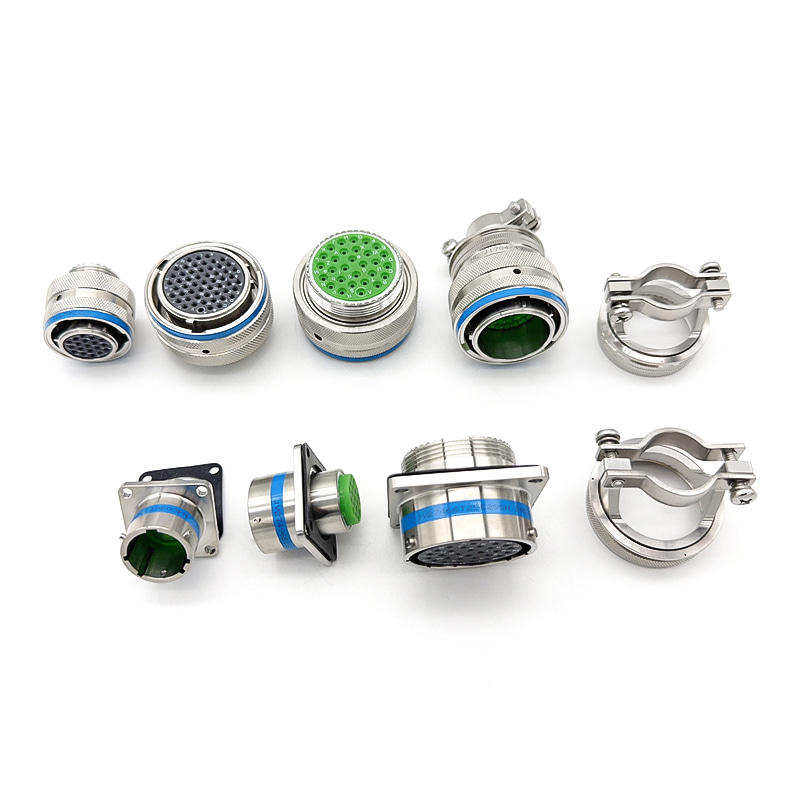
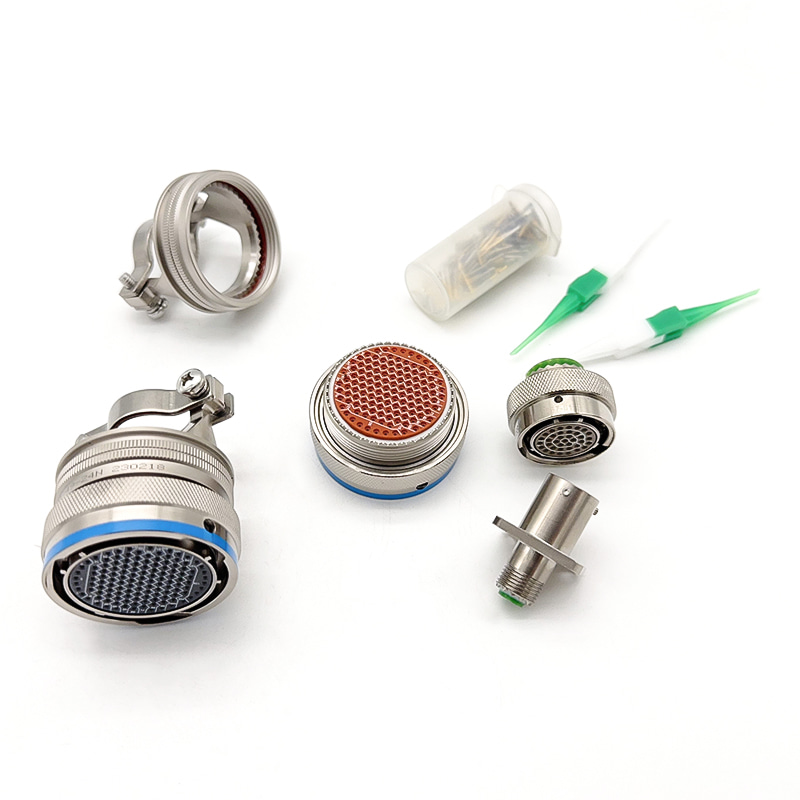
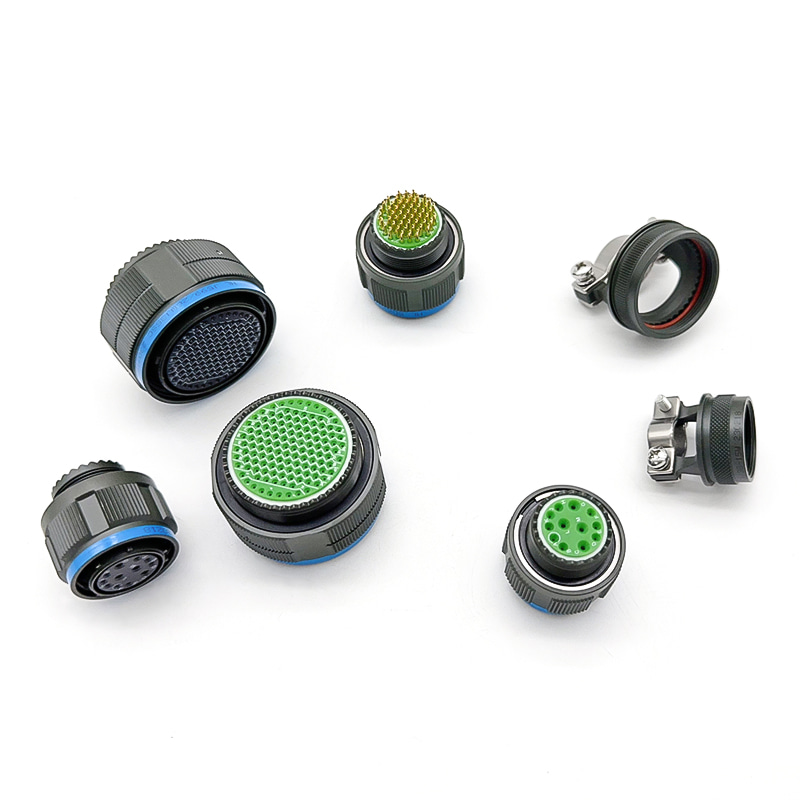
For systems engineers and procurement specialists dealing with mission-critical applications, precise understanding of military connector standards is non-negotiable. The MIL-DTL-26482 Series II Military Electrical Connectors standard defines a critical line of circular connectors widely used in aerospace, ground vehicles, and industrial controls. A common point of technical inquiry revolves around their interchangeability—specifically, their ability to mate with Series I (threaded) and the structurally distinct Series III (bayonet/crimp rear) connectors.
Understanding the Core Standard: The Design of MIL-DTL-26482 Series II Military Electrical Connectors
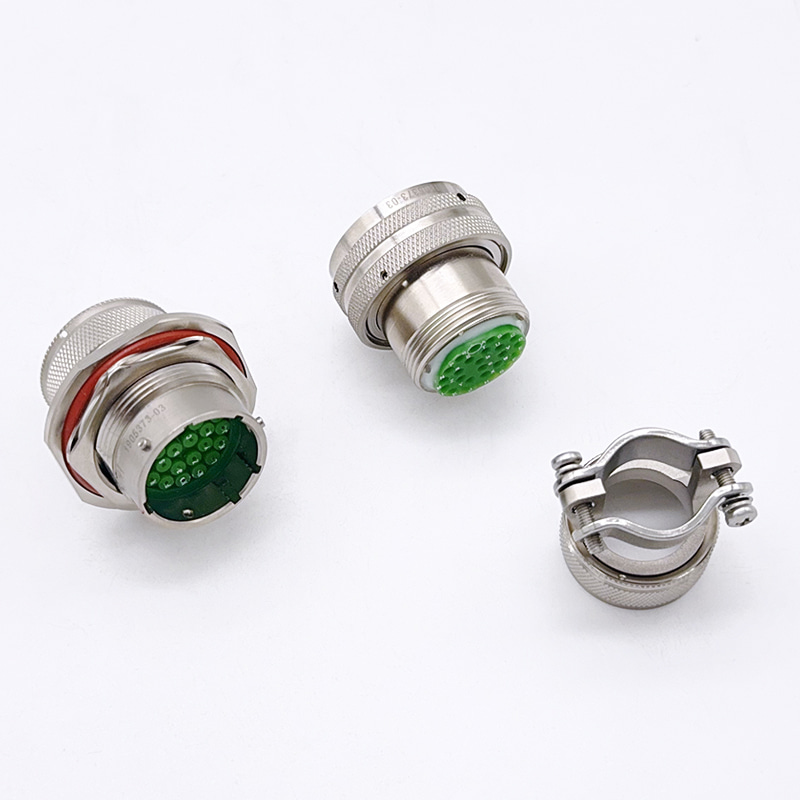
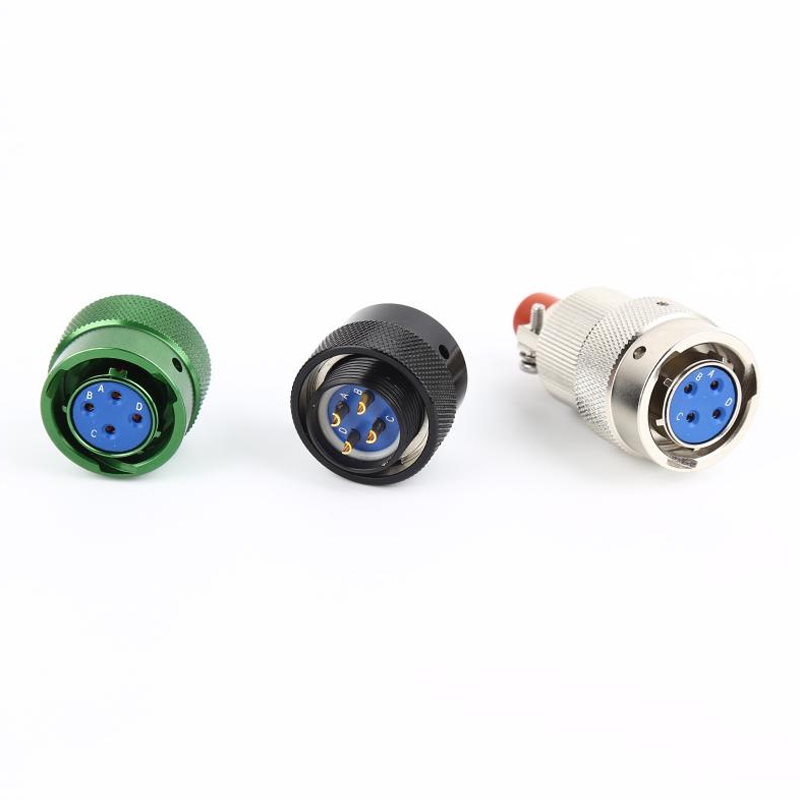
Series II connectors were developed to offer environmental sealing and higher performance over earlier designs, while maintaining a compact form factor. This standard specifies miniature, quick-disconnect circular connectors featuring a bayonet coupling mechanism.
Key Locking and Coupling Mechanisms (Bayonet vs. Threaded)
- **Bayonet Coupling:** Series II utilizes a three-pin bayonet coupling system, allowing for rapid connect and disconnect with tactile and audible confirmation of proper mating. This differs fundamentally from the threaded coupling of Series I.
- **Contact System:** MIL-DTL-26482 Series II Military Electrical Connectors incorporate rear-release, crimp-removable contacts, a significant maintenance advantage over the solder contacts found in many older military specifications.
Specifying MIL-DTL-26482 Series II Connector Shell Styles and Finishes
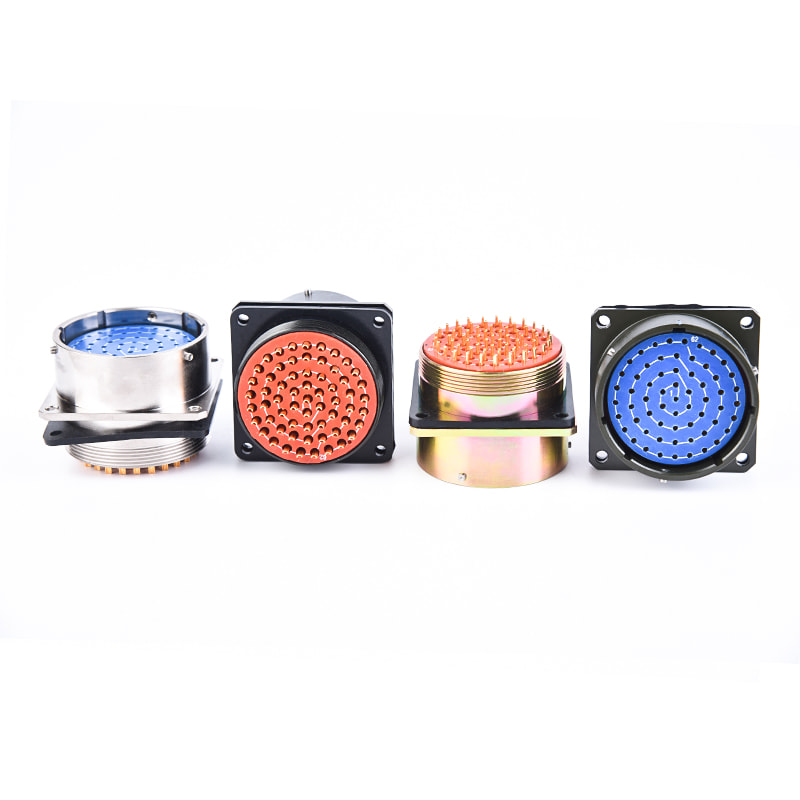
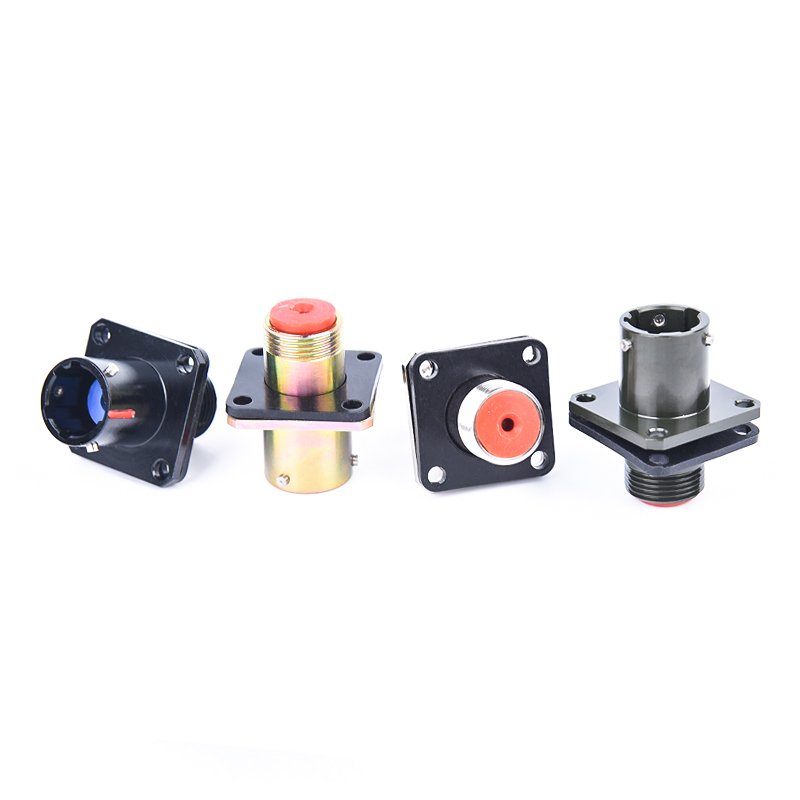
The standard defines multiple MIL-DTL-26482 Series II connector shell styles, including wall mount receptacles, box mount receptacles, straight plugs, and various jam nut receptacles. Procurement must strictly adhere to the designated military part numbers (e.g., MS3470, MS3476) to ensure dimensional compliance and proper backshell thread interfaces.
Compatibility Analysis: MIL-DTL-26482 Series II Compatibility with Series I
The primary technical answer regarding MIL-DTL-26482 Series II compatibility with Series I is that **they are NOT physically intermateable**. This lack of direct interchangeability is due to critical differences in the coupling mechanism and rear geometry. Specifically, the bayonet coupling of Series II cannot physically engage the thread patterns of Series I receptacles or plugs.
Shell Sizes and Insert Arrangement Differences
While both Series I and Series II may share common insert arrangements (pin counts), the physical housing dimensions and shell sizes are designed to prevent accidental mis-mating, adhering strictly to the non-interchangeability principle.
Hermetic Sealing and Contact Differences
Series II offers superior environmental sealing and typically utilizes crimp contacts, whereas Series I often uses solder contacts. These technological evolutions make physical compatibility impossible, but allow Series II to meet more stringent modern application requirements.
Series I vs. Series II Compatibility Comparison Table
| Feature | MIL-DTL-26482 Series I | MIL-DTL-26482 Series II |
|---|---|---|
| Coupling Mechanism | Threaded | Bayonet (Quick-Disconnect) |
| Contact Type | Primarily Solder (Fixed) | Crimp (Rear-Release/Removable) |
| Intermateability | No, incompatible with Series II | No, incompatible with Series I |
Dimensional Differentiation: MIL-DTL-26482 Series II vs Series III Sizing
When comparing MIL-DTL-26482 Series II vs Series III sizing (Series III being defined by MIL-C-38999), a different set of technical standards applies. Series III connectors are generally defined by a four-way key/keyway polarization and superior performance ratings (e.g., higher vibration and EMI shielding).
Key Differences in Connector Rear Design and Environmental Sealing
- **Rear Design:** Series II connectors are smaller and lighter than many Series III counterparts. Crucially, the back end of the Series II is designed specifically for environmental sealing with a smaller range of backshell options than the highly versatile Series III.
- **Intermateability:** Like Series I, Series II is **NOT intermateable** with Series III. They utilize different coupling systems and different polarization methods designed to prevent mis-mating across specifications.
Contact Retention and Tooling: The 26482 Series II Contact Crimp Specifications
A critical technical distinction for procurement is the tooling. The 26482 Series II contact crimp specifications mandate the use of specific crimp tools (e.g., M22520/1-01), positioners, and insertion/removal tools (e.g., M81969/39-01) for rear-release contacts. This specialized tooling requirement ensures the integrity of the crimp joint, which is vital for the long-term reliability of the Series II system. Procurement must verify both the connector specification and the accompanying military-qualified tooling list.
Series II vs. Series III Shell Sizing Comparison Table
| Feature | MIL-DTL-26482 Series II | MIL-C-38999 Series III |
|---|---|---|
| Coupling Mechanism | Bayonet (Three-Pin) | Bayonet (Triple-Start Thread optional) |
| Shell Sizing (Relative) | Smaller, Lighter | Broader Range, Often Larger Diameters for Shielding |
| Environmental Rating | Good (Meets 26482 spec) | Excellent (Higher shock/vibration/EMI performance) |
Critical Procurement Checks for Cross-Series Integration
Mandatory Qualification and Traceability Documentation
When sourcing any military-grade connector, particularly for integration projects, the buyer must demand full traceability. Verification ensures the connector meets the exact technical requirements for MIL-DTL-26482 Series II Military Electrical Connectors, including:
- **QPL (Qualified Products List) Status:** Documentation confirming the manufacturer is QPL approved for the specific military part number.
- **C of C (Certificate of Conformance):** Certifying that the specific batch was manufactured and tested in accordance with the latest revision of the MIL-DTL-26482 specification.
- **Materials Certification:** Proof that shell and contact materials meet military anti-corrosion and conductivity standards.
A thorough understanding of the non-interchangeable design philosophy is essential for reliable system integration. The use of adapters is possible in limited cases, but direct inter-mating between Series I, Series II, and Series III plugs and receptacles is dimensionally and mechanically impossible.
Frequently Asked Questions (FAQ)
1. Can a Series II plug mate with a Series I receptacle?
No. MIL-DTL-26482 Series II Military Electrical Connectors use a bayonet coupling mechanism, which is incompatible with the threaded coupling of Series I connectors. Direct inter-mating is impossible.
2. What is the key difference between Series II and Series III sizing?
The primary difference is that Series II is a smaller, lighter form factor, while Series III (MIL-C-38999) features enhanced mechanical and shielding properties, often resulting in larger MIL-DTL-26482 Series II vs Series III sizing for the same contact count.
3. What makes the Interchangeability of MIL-DTL-26482 Series II a critical specification?
Interchangeability is critical because the military specification demands that products from any QPL-approved manufacturer must mate and perform identically. However, Series II is designed to *prevent* inter-mating with other series (I and III) to maintain system integrity.
4. Do I need special tools for the contacts in Series II connectors?
Yes. The rear-release crimp-removable contacts in Series II require specialized, military-qualified crimp tools and insertion/removal tools, based on the 26482 Series II contact crimp specifications, to ensure high reliability.
5. Are all MIL-DTL-26482 Series II connector shell styles environmentally sealed?
Yes, the Series II standard inherently specifies environmental sealing. However, the degree of sealing (e.g., fluid immersion) depends on the specific MS part number and the proper installation of backshells and gaskets.

- Address : Jiangping South Road, Zhangqiao Industrial Park, Taixing City, Jiangsu Province, China
- Phone : +86 176 0151 5794
- Whatsapp : +86 176 0151 5794
- Email :[email protected]
- Email :[email protected]
Copyright © Taizhou Henglian Electric Co., Ltd
