
 English
 русский
 Español
 简体中文
简体中文
Recommended products
How to Select the Right Pin Configuration and Shell Size for Your Military Style Electrical Connectors?
Industry NewsAuthor: Admin
- 1 1. Understanding Shell Size and Mechanical Envelope
- 2 2. Pin Configuration and Contact Density Optimization
- 3 3. Environmental Sealing and Reliability Standards
- 4 Conclusion: The Henglian Advantage
- 4.1 Frequently Asked Questions (FAQ)
- 4.1.1 1. What is the benefit of a high density connector pinout?
- 4.1.2 2. How do I determine the correct AWG wire size for military connectors?
- 4.1.3 3. Why choose corrosion resistance for marine military connectors over standard plating?
- 4.1.4 4. How to prevent bent pins in high-density military connectors?
- 4.1.5 5. When should I use military connector bayonet vs thread coupling?
- 4.2 Industry References
- 4.1 Frequently Asked Questions (FAQ)
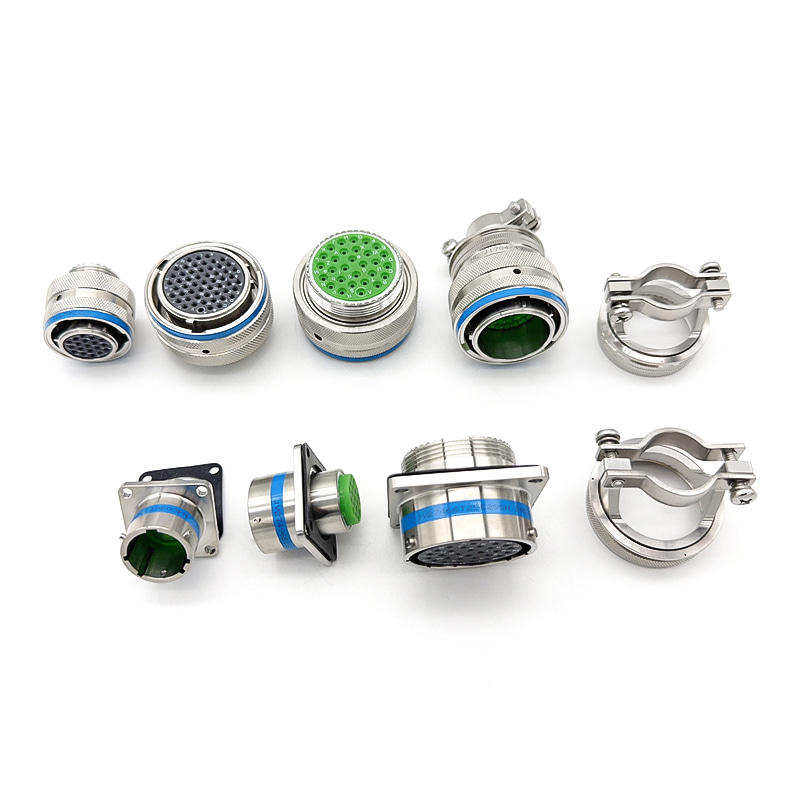
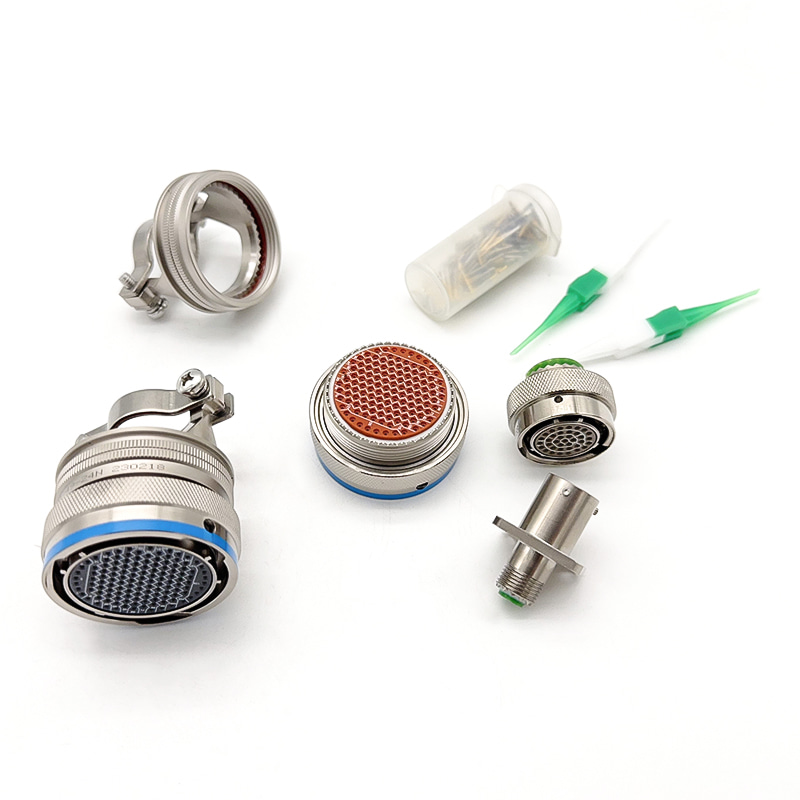
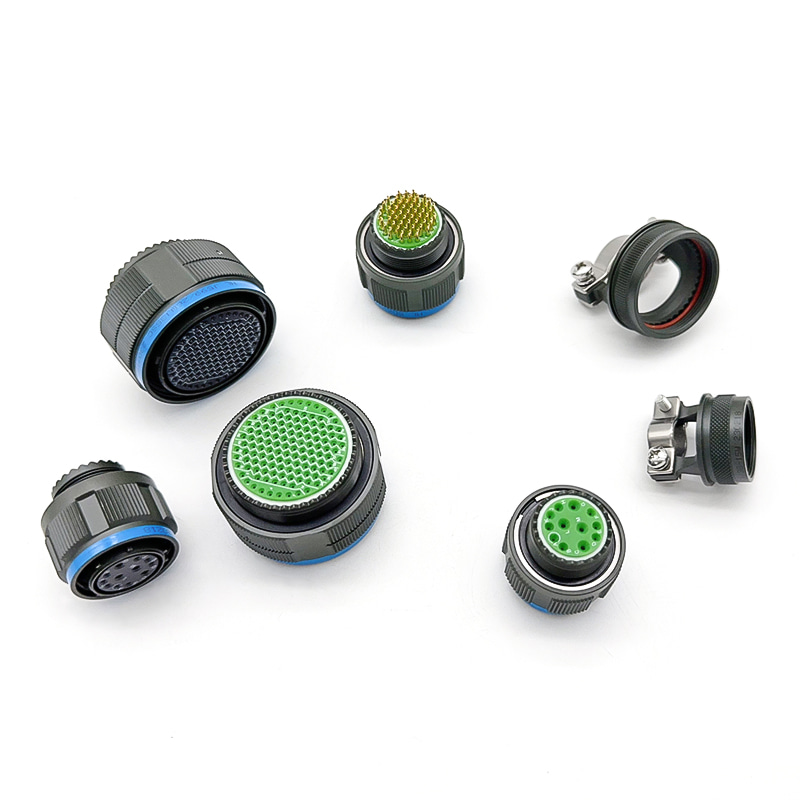
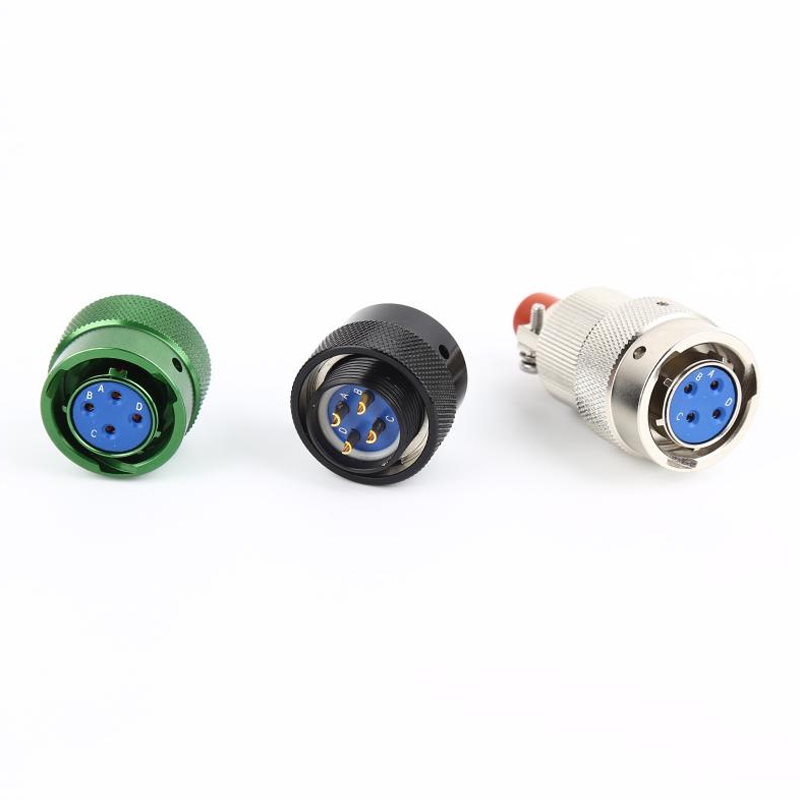
In the field of aerospace, defense, and maritime engineering, the integrity of signal and power transmission depends entirely on the precision of the interconnect system. Selecting military style electrical connectors is not merely a matter of physical fit; it requires a deep understanding of contact density, current derating, and mechanical envelope constraints. Taizhou Henglian Electric Co., Ltd., established in 2011 in Taixing City, specialized in the research and development of high-reliability interconnects. With over 150 employees and a GJB9001C-2017 certified quality system, we produce high-performance military style electrical connectors including Y11, Y50, and J599 series. This guide provides an engineering-level breakdown of how to navigate MIL-SPEC connector shell size selection and pin mapping to ensure mission-critical reliability.

1. Understanding Shell Size and Mechanical Envelope
The "shell size" of a circular connector refers to the diameter of the coupling interface, typically measured in 1/16th inch increments for classic MIL-DTL series. When comparing aluminum vs stainless steel connector shells, engineers must balance weight against environmental durability. Aluminum shells are ideal for weight-sensitive aerospace applications, while stainless steel provides superior corrosion resistance for marine military connectors. Furthermore, the MIL-DTL-38999 shell size chart provides standardized dimensions that dictate the maximum number of contacts possible. A larger shell size allows for more insulation material between pins, which is essential for high voltage military connector pin spacing to prevent dielectric breakdown or arcing at high altitudes.
Shell Material and Size Performance
- Form Factor: Standard sizes range from 8 to 25, influencing the connector's mounting footprint.
- Shielding Effectiveness: Larger shells often provide more surface area for 360-degree EMI/RFI grounding.
| Material Property | Aluminum Alloy (Cadmium/Zinc Plated) | Stainless Steel (Passivated) |
| Weight Efficiency | High (Lightweight) | Low (Heavier) |
| Mechanical Strength | Moderate | Excellent |
| Application Environment | General Military/Aerospace | Submarine/Severe Corrosive Areas |
2. Pin Configuration and Contact Density Optimization
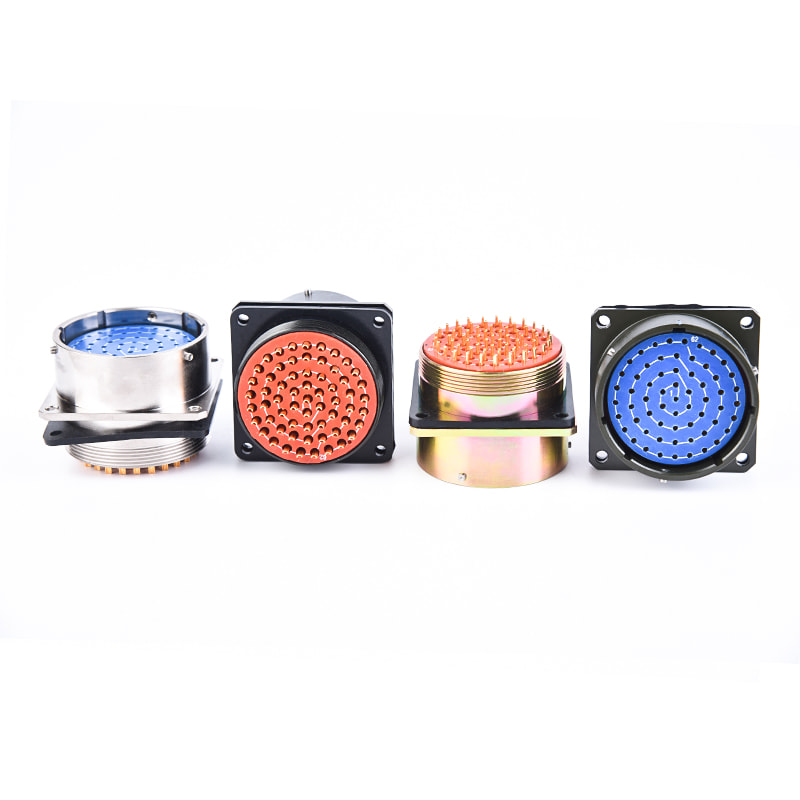
The choice of high density connector pinout is driven by the number of signals and the current requirements of each circuit. Engineers must often decide between fewer large contacts for power and many small contacts for data. When evaluating crimp vs solder contacts for military use, crimp contacts are generally preferred for their superior vibration resistance and ease of field repair. Additionally, the pin configuration for circular power connectors must account for thermal rise; overcrowding high-current pins can lead to localized overheating. At Taizhou Henglian, we develop military style electrical connectors with three-defense functions, ensuring that even in high-density arrays, signal integrity is maintained via sophisticated EMI RFI shielding in military connectors.
Contact Selection Sequence
- Circuit Analysis: Define the number of power, signal, and coaxial lines required.
- Wire Gauge Compatibility: Match the AWG wire size for military connectors to the contact's bucket size.
- Insert Arrangement: Consult standard MIL-STD-1560 layouts to find a pre-certified pin configuration.
| Contact Type | Signal Contacts (Size 20-22) | Power Contacts (Size 8-12) |
| Current Capacity | Low (5A - 7.5A) | High (23A - 45A+) |
| Signal Integrity | Optimized for data/digital signals | Optimized for low resistance/voltage drop |
| Space Utilization | Allows for high density connector pinout | Requires larger MIL-SPEC connector shell size |
3. Environmental Sealing and Reliability Standards
Military environments demand "three-defense" capabilities: moisture-proof, salt spray-proof, and fungus-proof. This is achieved through interfacial seals and rear wire grommets. When choosing waterproof military connectors for outdoor use, the IP rating (often exceeding IP68) must be verified alongside the MIL-standard. For military connector bayonet vs thread coupling, bayonet systems offer rapid "blind mating" and visual locking, whereas threaded systems provide maximum security in extreme vibration. Taizhou Henglian's technical center ensures that our J599 and XC series meet the GJB9001C-2017 weapons and equipment quality management standards, providing the best vibration resistant military connectors for weapon systems and aerospace applications.
Environmental Protection Features
- Hermetic Sealing: For vacuum or pressurized applications, glass-to-metal seals are used.
- Polarization: Multiple keyway positions prevent cross-mating of similar-sized connectors.
Conclusion: The Henglian Advantage
Selecting the right pin configuration and shell size is a balance of electrical performance, mechanical constraints, and environmental stressors. By utilizing high-density military style electrical connectors from a qualified supplier like Taizhou Henglian Electric Co., Ltd., engineers can ensure their systems meet the rigorous demands of modern defense and nuclear energy sectors. Our pursuit of excellence and "brand create value" philosophy ensures that every connector—from the YGD series to the J30J rectangular series—is a leader in its peer group.
Frequently Asked Questions (FAQ)
1. What is the benefit of a high density connector pinout?
High-density layouts allow for a smaller MIL-SPEC connector shell size while maintaining a high number of circuits. This is vital for modern avionics where space and weight are at a premium, provided that EMI/RFI shielding is properly managed.
2. How do I determine the correct AWG wire size for military connectors?
The wire gauge must fit the contact's diameter. Typically, a Size 20 contact accepts 20-24 AWG wire. Using a wire that is too large or too small will compromise the environmental seal of the rear grommet.
3. Why choose corrosion resistance for marine military connectors over standard plating?
Marine environments are highly aggressive. While standard olive drab cadmium is common, marine applications often require Nickel-Aluminum-Bronze or Stainless Steel shells to prevent galvanic corrosion and ensure a long service life.
4. How to prevent bent pins in high-density military connectors?
Opt for connectors with "scoop-proof" designs, such as the J599III series. This design prevents the pins from making contact with the shell or the face of the mating connector until the keys are properly aligned.
5. When should I use military connector bayonet vs thread coupling?
Use bayonet coupling (like the Y11 or Y50 series) when speed of connection is required. Use threaded coupling (like the J599 series) when the connector is subject to high-intensity vibration or needs a higher degree of environmental compression.
Industry References
- MIL-DTL-38999: Detail Specification for Connectors, Electrical, Circular, Miniature, High Density.
- MIL-STD-1560: Insert Arrangements for MIL-DTL-38999 Series Connectors.
- GJB 9001C-2017: Quality Management System for Weapons and Equipment.
- Taizhou Henglian Technical Data Sheet: "Analysis of Y and J Series Interconnect Stability" (2025).

- Address : Jiangping South Road, Zhangqiao Industrial Park, Taixing City, Jiangsu Province, China
- Phone : +86 176 0151 5794
- Whatsapp : +86 176 0151 5794
- Email :[email protected]
- Email :[email protected]
Copyright © Taizhou Henglian Electric Co., Ltd
