
 English
 русский
 Español
 简体中文
简体中文
Recommended products
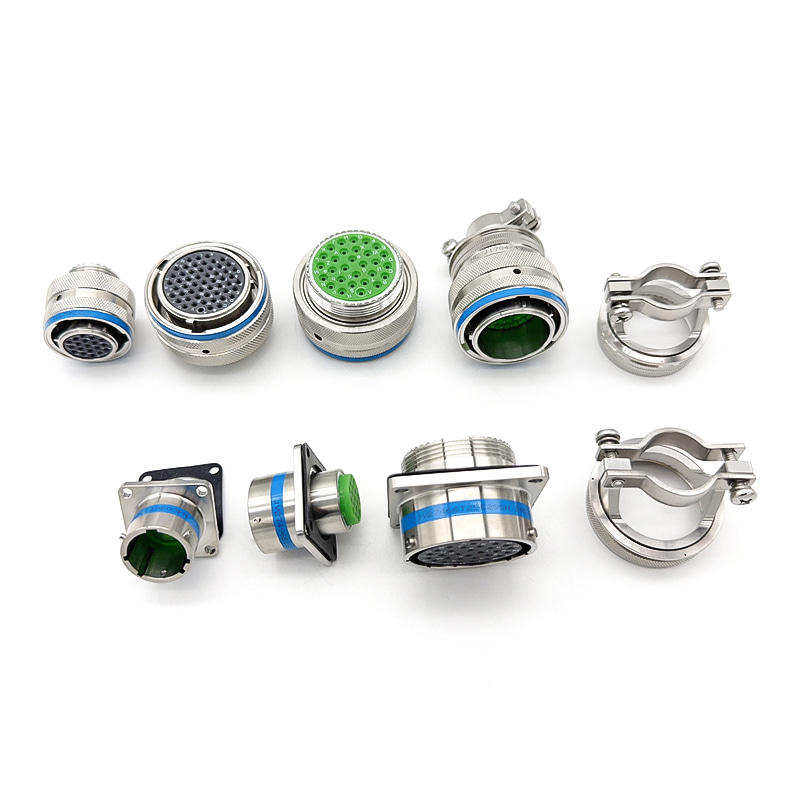
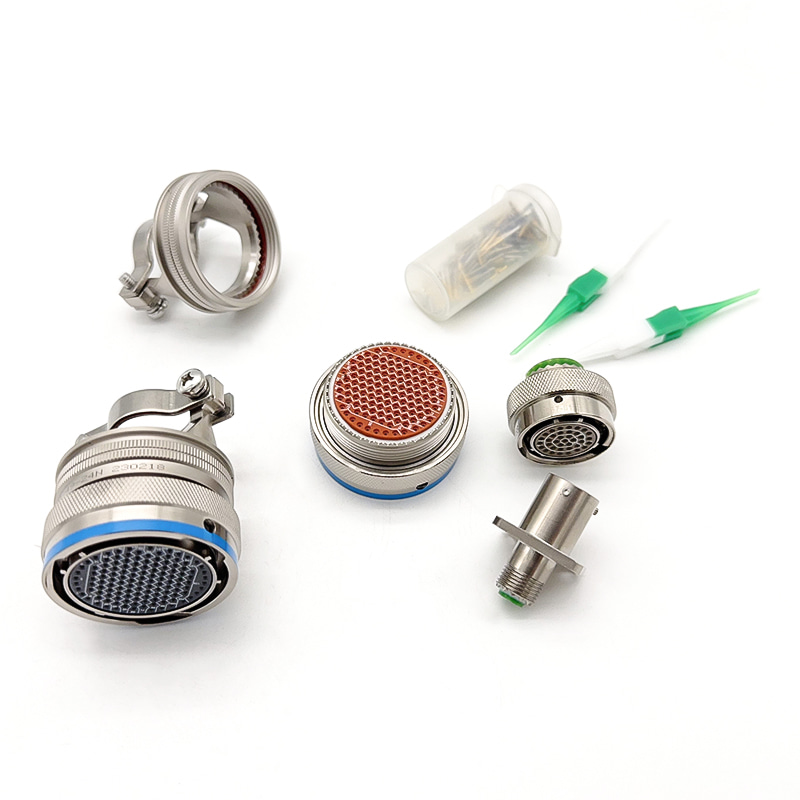
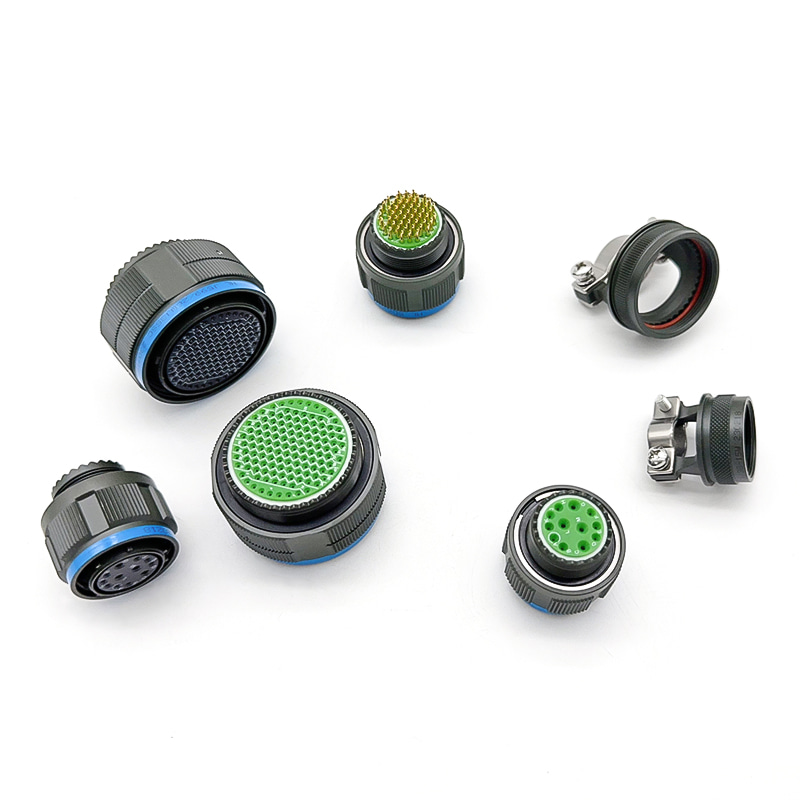
How Does Pin Density in a Multi-Pin Circle Electrical Connector Affect Thermal Performance and Derating?
Industry NewsAuthor: Admin
- 1 1. The Physics of Thermal Accumulation in Multi-Pin Layouts
- 2 2. Circular Connector Current Derating and Safety Factors
- 3 3. Material Selection and Environmental Reliability
- 4 Conclusion: Engineering the Future of Connectivity
- 4.1 Frequently Asked Questions (FAQ)
- 4.1.1 1. Why do I need to derate a circle electrical connector?
- 4.1.2 2. How does circular connector environmental sealing and heat interact?
- 4.1.3 3. What is the best circle electrical connector for high-power applications?
- 4.1.4 4. How pin density affects connector temperature rise in vacuum environments?
- 4.1.5 5. Can high density circular connector pin layouts cause signal interference?
- 4.2 Industry References
- 4.1 Frequently Asked Questions (FAQ)
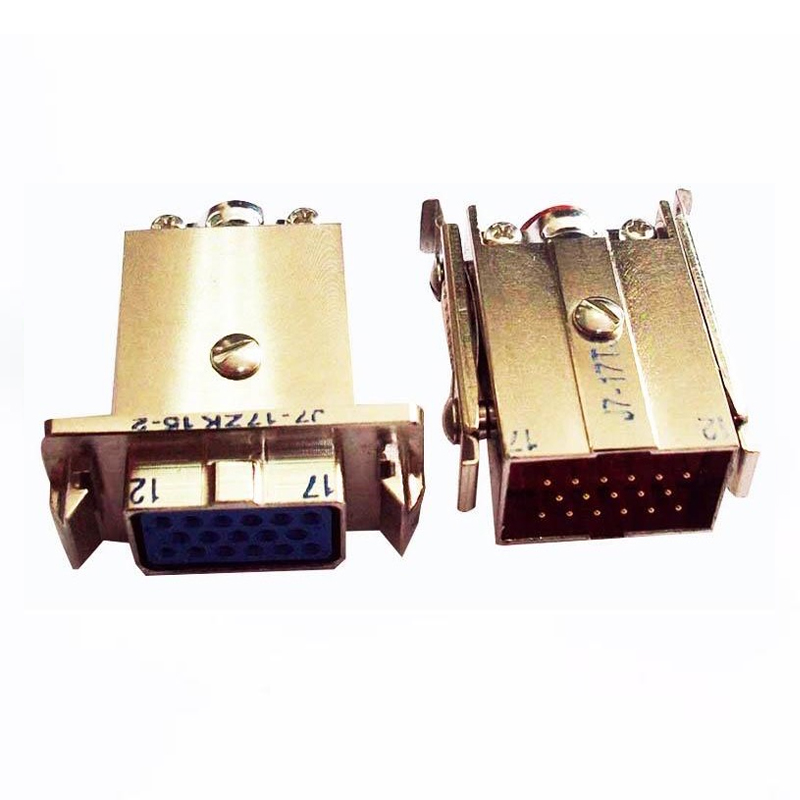
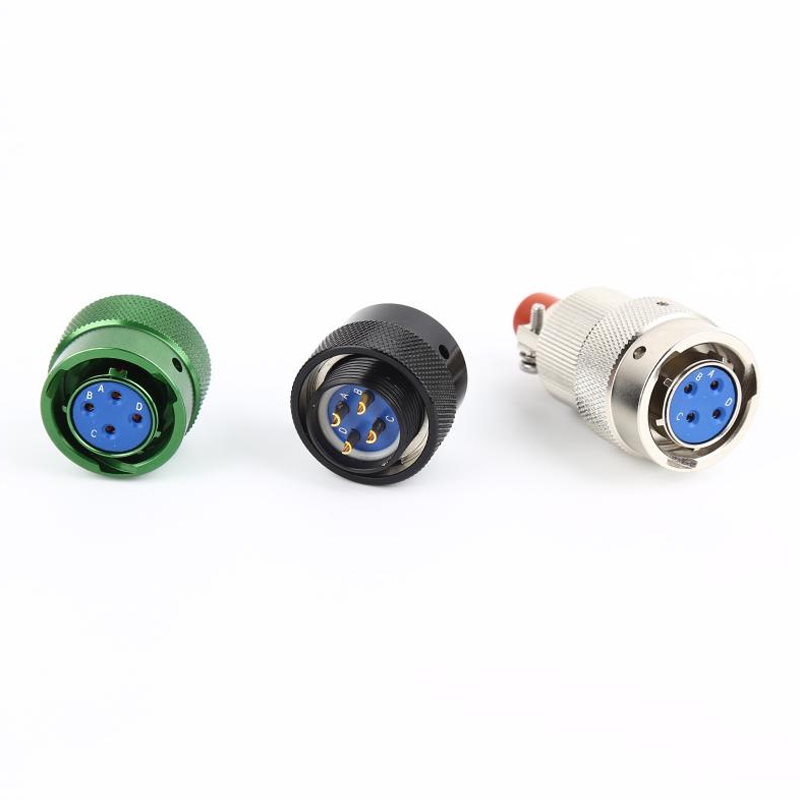
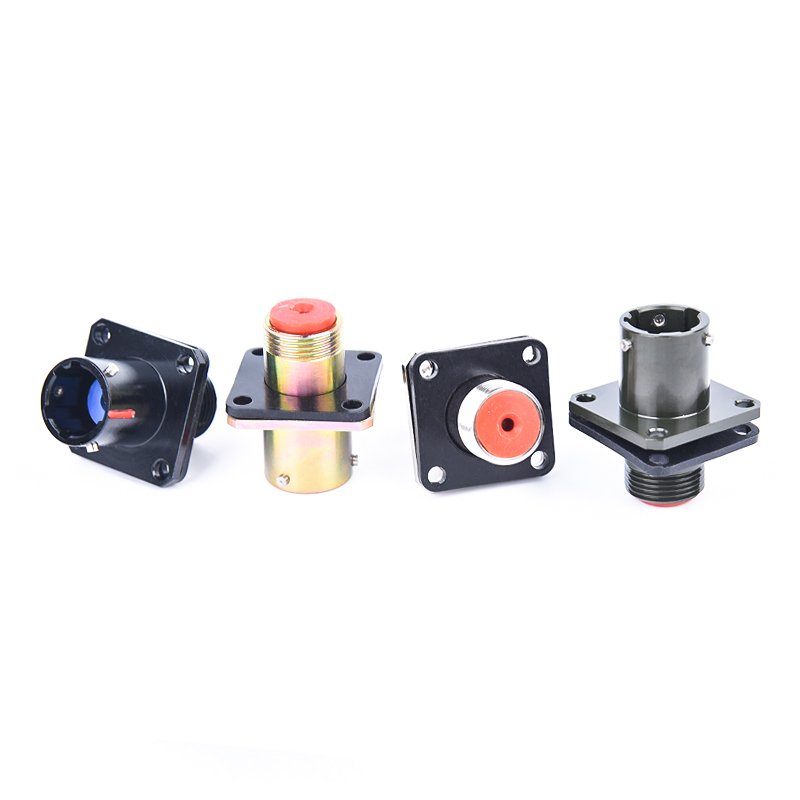
In the high-stakes sectors of aerospace, weapons development, and nuclear energy, the integrity of a circle electrical connector is paramount. As systems demand higher signal integration and power density, engineers must grapple with the thermal physics of multi-pin configurations. Taizhou Henglian Electric Co., Ltd., founded in 2011 and based in Taixing City, specializes in the R&D and manufacturing of high-reliability circle electrical connector series, including J599 and YGD military-standard varieties. With GJB9001C-2017 certification, our technical center focuses on the "three-defense" functions and high-density reliability. This article provides a deep-dive engineering analysis into the correlation between high density circular connector pin layouts, thermal accumulation, and the essential circular connector current derating charts required for safe operation.
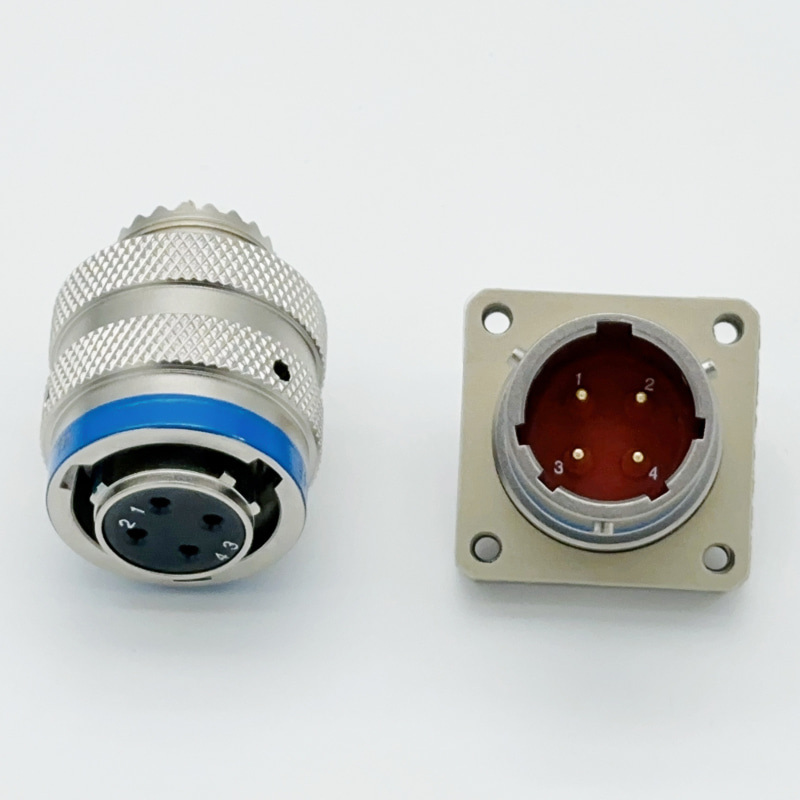
1. The Physics of Thermal Accumulation in Multi-Pin Layouts
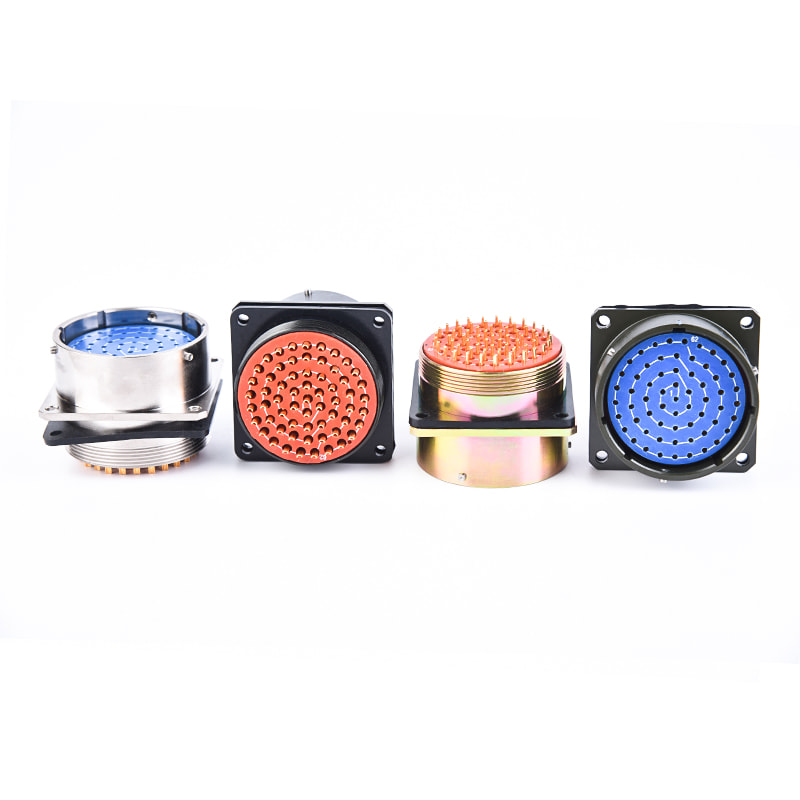
Thermal performance in a circle electrical connector is governed by Joule heating ($P = I^2R$). When pins are packed tightly together, the effective surface area for convective and radiative cooling is reduced. Thermal management in multi-pin connectors becomes exponentially more difficult as the pitch decreases. While a single contact can dissipate heat relatively freely, a high density circular connector pin layout creates a "thermal core" where the central pins are insulated by the surrounding energized contacts. Comparing a standard density layout to a high-density configuration, the latter exhibits significantly higher peak temperatures at the same current per pin due to the mutual heating effect. Understanding how pin density affects connector temperature rise is critical for preventing insulator softening or contact oxidation.
Thermal Resistance Comparison
- Conductive Path: High-density pins have limited heat sinking through the connector shell.
- Convective Obstruction: Tightly packed pins restrict internal airflow within the connector housing.
- Mutual Heating: Proximity leads to radiative heat transfer between adjacent contacts.
| Design Parameter | Low-Density Configuration | High-Density Configuration |
| Heat Dissipation Rate | Higher (Greater surface-to-volume ratio) | Lower (Mutual heating concentration) |
| Peak Internal Temperature | Linear increase with current | Non-linear, rapid rise due to thermal stacking |
| Insulation Reliability | Superior (Better thermal margins) | Critical (Requires strict derating) |
2. Circular Connector Current Derating and Safety Factors
To ensure high reliability circular connectors for aerospace remain operational, engineers must apply a derating factor. Circular connector current derating charts are used to determine the maximum allowable current based on the ambient temperature and the number of active contacts. As the number of pins increases, the current-carrying capacity of each individual pin must be reduced. When comparing copper alloy vs gold-plated contacts for heat, gold plating reduces contact resistance, which initially lowers heat generation, but the overarching factor remains the total aggregate heat of the multi-pin circular connector thermal performance. Selecting the best circle electrical connector for high-power applications involves balancing the need for pins with the reality of thermal limits.
The Derating Process Sequence
- Base Current Determination: Establish the maximum current for a single contact at 20°C.
- Density Correction: Apply a multiplier (e.g., 0.8 for 10 pins, 0.5 for 50+ pins) based on total active contacts.
- Ambient Temperature Adjustment: Further reduce current as the environmental temperature approaches the connector's rated maximum.
| Active Contact Percentage | Derating Factor (Typical) | Operational Impact |
| 20% of Pins Energized | 0.95 - 1.0 | Minimal heat accumulation |
| 50% of Pins Energized | 0.70 - 0.80 | Requires active thermal monitoring |
| 100% of Pins Energized | 0.50 - 0.60 | Significant current restriction required |
3. Material Selection and Environmental Reliability
Material science plays a pivotal role in mitigating connector contact resistance and heat generation. High-grade insulators such as polyphenylene sulfide (PPS) or PEEK are preferred for high-density applications because they maintain dielectric strength at elevated temperatures. For mil-spec circular connector thermal testing, our J599 and XC series undergo rigorous evaluation to ensure circular connector environmental sealing and heat resistance are not compromised. One must also consider waterproof circle electrical connector thermal limits, as the sealing gaskets can sometimes act as thermal insulators, trapping heat inside the shell. Taizhou Henglian ensures that the three-defense function circular connectors (moisture, salt spray, and fungus) also meet the highest standards for electronic compatibility and thermal stability.
Conclusion: Engineering the Future of Connectivity
Managing the thermal performance of a circle electrical connector is a balancing act between the drive for miniaturization and the laws of thermodynamics. As pin density increases, the margin for error in current derating narrows. By utilizing advanced testing facilities and adhering to military-grade quality management, Taizhou Henglian Electric Co., Ltd. provides high density circular connectors that excel in the most demanding environments. Whether for sea installation, weapons systems, or the national power grid, understanding the thermal derating of your multi-pin circular connector thermal performance is the key to ensuring system longevity and mission success.
Frequently Asked Questions (FAQ)
1. Why do I need to derate a circle electrical connector?
Derating is necessary because heat generated by multiple pins cannot escape as easily as heat from a single pin. Without derating, the internal temperature could exceed the melting point of the insulator or cause a fire.
2. How does circular connector environmental sealing and heat interact?
Sealing prevents moisture ingress but also traps heat. Connectors with high environmental protection (IP67/68) often require more conservative derating than open-air connectors.
3. What is the best circle electrical connector for high-power applications?
The best choice is often a connector with larger contact diameters (lower resistance) and high-temperature resistant shells, such as our YM or J599 series, which allow for better thermal dissipation.
4. How pin density affects connector temperature rise in vacuum environments?
In a vacuum (like aerospace), there is no air for convection. Heat must be dissipated solely through conduction and radiation, making high pin density even more dangerous without aggressive derating.
5. Can high density circular connector pin layouts cause signal interference?
Yes, besides thermal issues, high density can lead to crosstalk. Our connectors are designed for electronic compatibility to mitigate these EMI/RFI issues while managing heat.
Industry References
- GJB 101A: General Specification for Environmental Resistant Circular Electrical Connectors.
- MIL-STD-1344A: Test Methods for Electrical Connectors.
- IEC 60512: Connectors for Electronic Equipment - Tests and Measurements.
- Henglian Technical Center: "Thermal Modeling of Multi-Pin J599III Connectors" (2025 Internal Study).

- Address : Jiangping South Road, Zhangqiao Industrial Park, Taixing City, Jiangsu Province, China
- Phone : +86 176 0151 5794
- Whatsapp : +86 176 0151 5794
- Email :[email protected]
- Email :[email protected]
Copyright © Taizhou Henglian Electric Co., Ltd
