
 English
 русский
 Español
 简体中文
简体中文
Recommended products
Why Should You Choose Military Style Electrical Connectors for Heavy-Duty Industrial Automation and Robotics?
Industry NewsAuthor: Admin
- 1 The Engineering Superiority of Military-Grade Interconnects
- 2 Environmental Sealing and Chemical Resistance
- 3 Signal Integrity and EMI/RFI Shielding
- 4 Standardization and Global Interoperability
- 5 Frequently Asked Questions (FAQ)
- 5.0.1 1. How to install military style electrical connectors correctly?
- 5.0.2 2. Can military style connectors be used in nuclear energy applications?
- 5.0.3 3. Are these connectors compatible with standard industrial cables?
- 5.0.4 4. How to identify the specific series needed for my robot?
- 5.0.5 5. Is gold plating necessary for all industrial connectors?
- 6 Industry References
In the high-stakes environment of industrial automation and robotics, the failure of a single connection can lead to catastrophic system downtime and safety hazards. As robotic arms move with increasing speed and precision, the demand for interconnect solutions that withstand vibration, moisture, and electrical interference has skyrocketed. Taizhou Henglian Electric Co., Ltd., a specialized high-tech enterprise located in Taixing City, has been at the forefront of this transition, producing military style electrical connectors that meet the most stringent GJB9001C-2017 standards for reliability and performance.

The Engineering Superiority of Military-Grade Interconnects
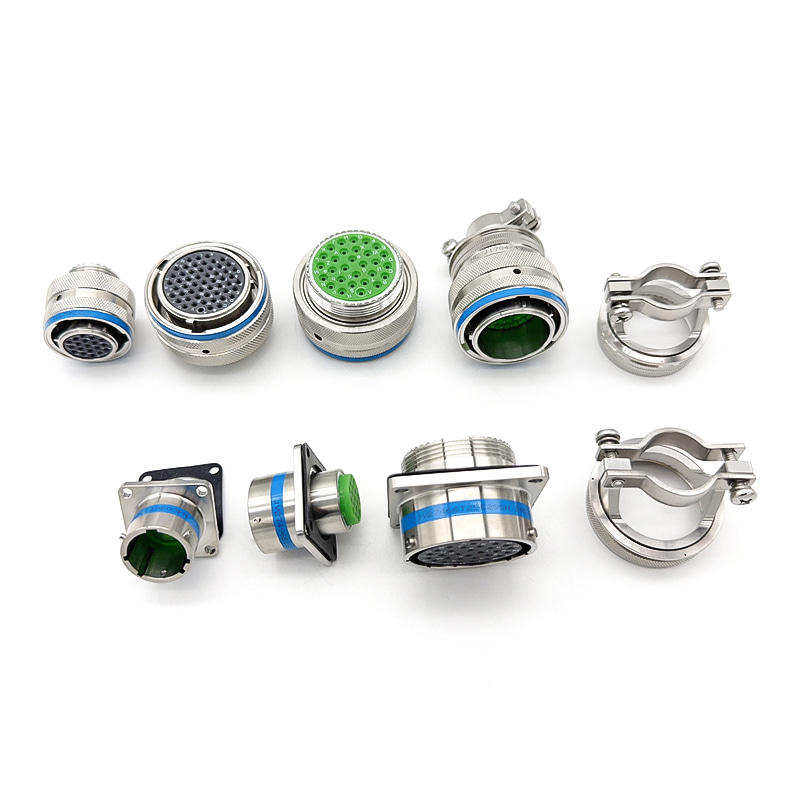
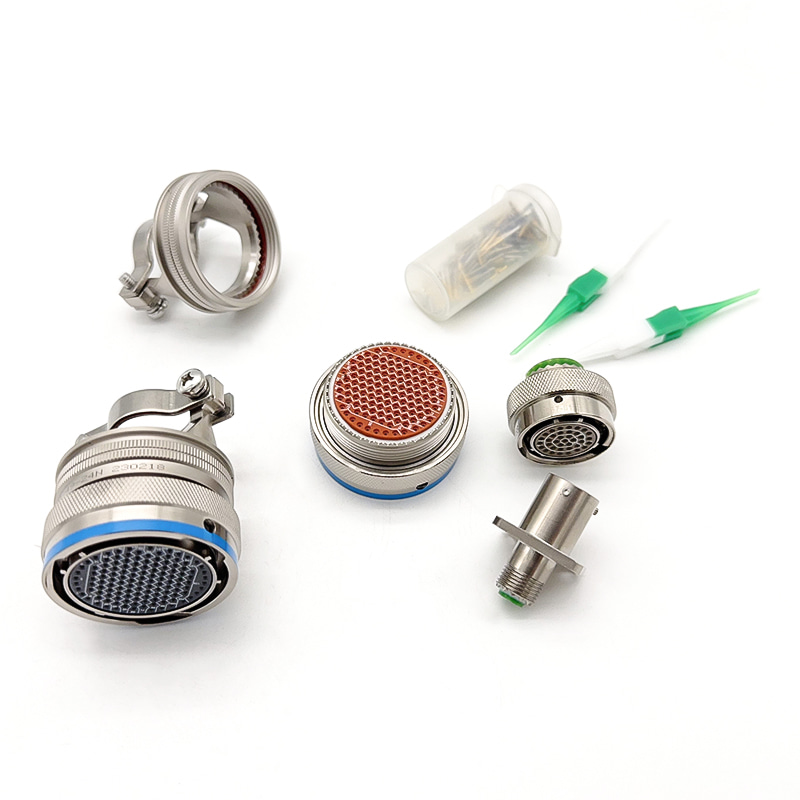
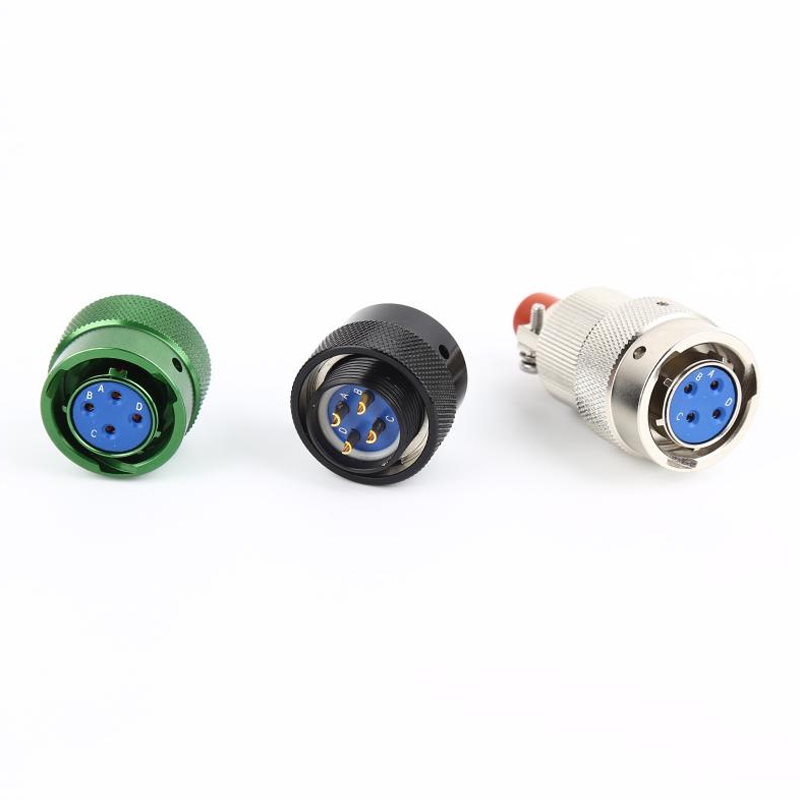
The primary reason engineers pivot toward military-standard components is their inherent "three-defense" function: moisture-proof, salt spray-proof, and fungus-proof. When considering how to choose military style electrical connectors for robotics, one must look at the coupling mechanisms. Unlike standard commercial connectors, military variants often utilize bayonet, threaded, or push-pull locking systems to ensure zero-disconnection under high-G vibrations.
Mechanical Durability and Longevity
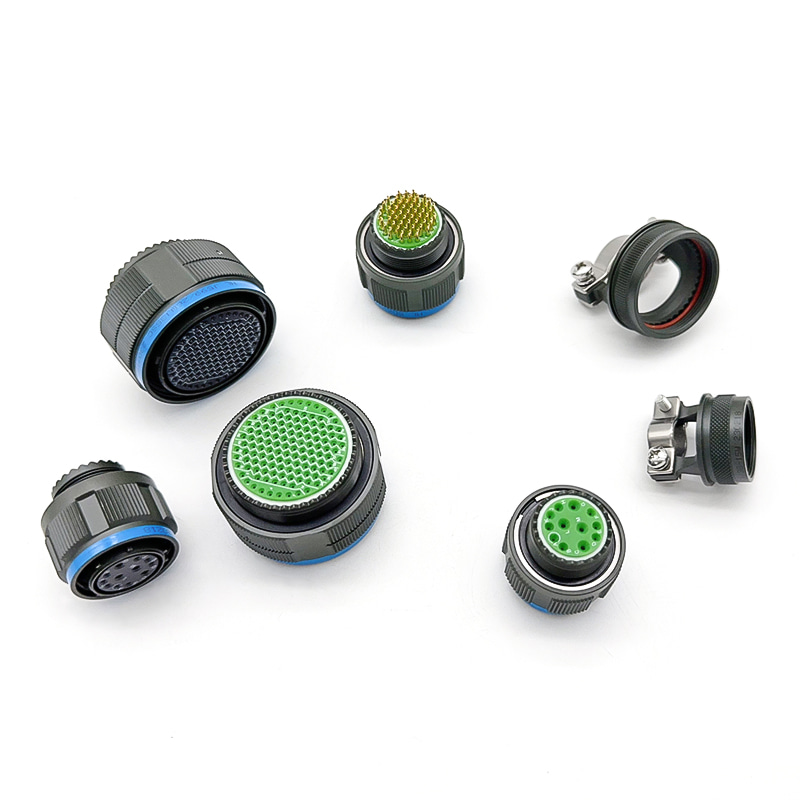
One might wonder, what are the durability ratings for military style electrical connectors? Most industrial-grade connectors are rated for limited mating cycles. In contrast, military-style series like the Y11, Y50, and J599III are designed for hundreds of mating cycles and extreme mechanical shock. Taizhou Henglian Electric Co., Ltd. utilizes sophisticated production equipment to ensure these connectors maintain structural integrity in aerospace and nuclear energy applications.
The difference between standard industrial connectors and military-style variants is stark when examining mechanical resilience.
| Feature | Military Style Connectors | Standard Industrial Connectors |
| Shell Material | High-strength Aluminum Alloy or Stainless Steel | Plastic or Zinc Die-cast |
| Coupling Type | Bayonet (Y11/Y17) or Threaded (J599) | Friction fit or plastic latches |
| Operating Cycles | 500+ Mating Cycles | 50 - 100 Mating Cycles |
Environmental Sealing and Chemical Resistance
Robotics in food processing or chemical plants are often exposed to harsh wash-down procedures. A common technical query is why are military style electrical connectors waterproof to IP68? These connectors utilize high-performance fluorosilicone or ethylene-propylene seals that maintain airtightness under pressure. Taizhou Henglian Electric Co., Ltd. ensures their circular connectors, such as the YGD and YLH series, provide hermetic sealing that commercial plastic alternatives simply cannot match.
While commercial connectors might fail when exposed to oils or geophysical exploration fluids, military style electrical connectors are engineered to be chemically inert.
| Environmental Stress | Military Style Performance | Commercial Grade Performance |
| Salt Spray Resistance | Up to 500 hours (Electroless Nickel/Cadmium) | Usually 24 - 48 hours |
| Temperature Range | -65°C to +200°C | -20°C to +80°C |
| Pressure Tolerance | High-density hermetic seals available | Minimal pressure resistance |
Signal Integrity and EMI/RFI Shielding
In robotics, electromagnetic interference (EMI) can cause "ghost" signals in sensors. How does EMI shielding work in military style electrical connectors? These connectors feature 360-degree metal-to-metal shell grounding and specialized springs that create a Faraday cage around the contacts. This is critical for the J599 series used in aerospace and national power grid systems, where electronic compatibility is non-negotiable.
High-Density Pin Configurations
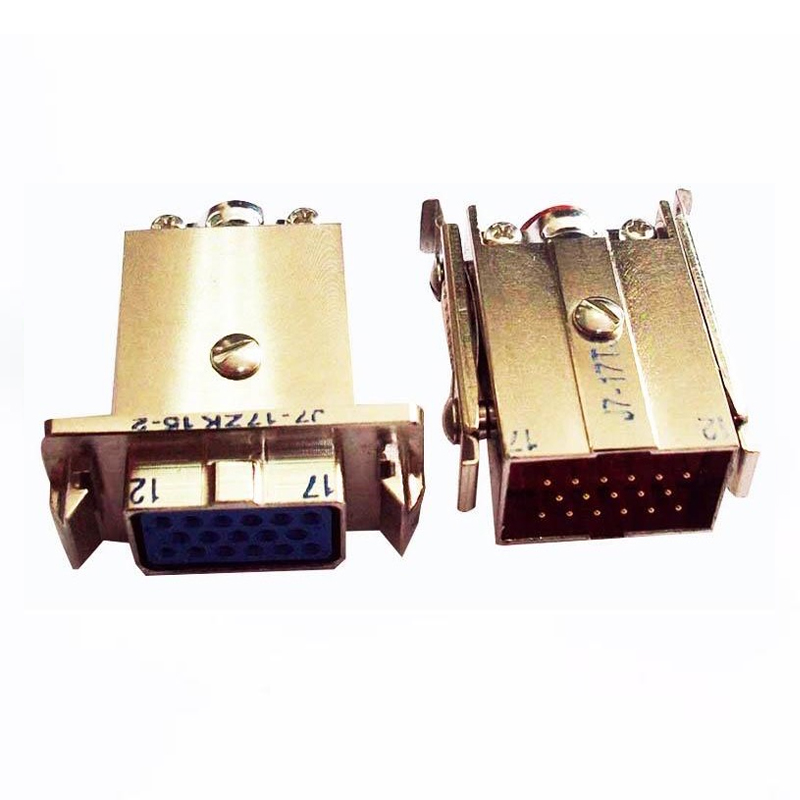
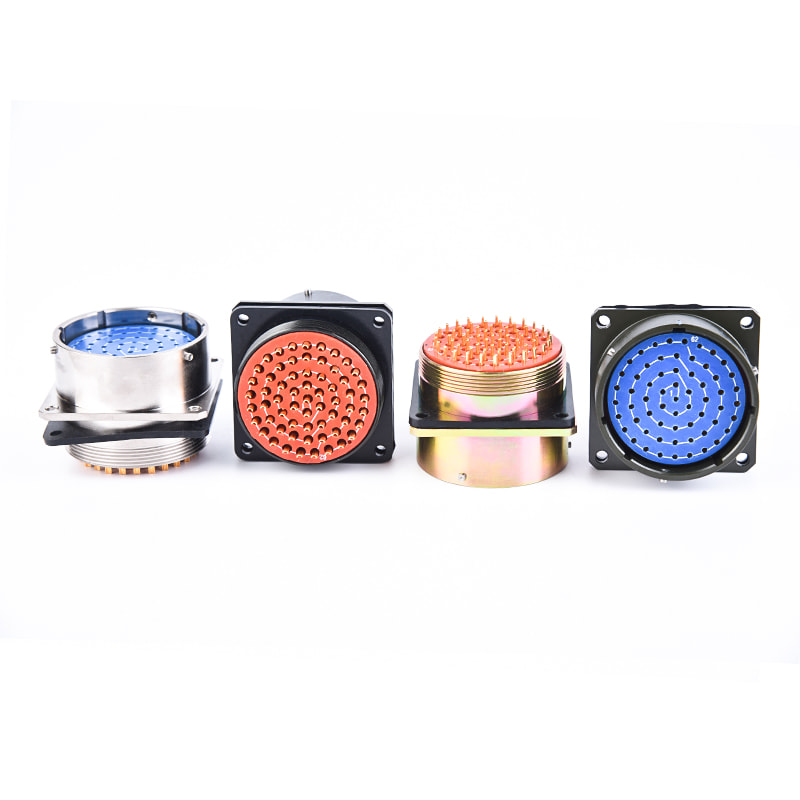
Modern automation requires more data in smaller spaces. Engineers often ask, what is the pin density of military style electrical connectors? By utilizing gold-plated copper alloy contacts in series like the J30J or J63A rectangular connectors, Taizhou Henglian Electric Co., Ltd. achieves high-density layouts without compromising voltage ratings. This allows for more sensors and actuators to be controlled through a single interface.
- High Reliability: Gold plating ensures low contact resistance over the life of the product.
- Space Efficiency: Rectangular series like J14 and J29A allow for side-by-side mounting in compact robot controllers.
- Customization: Capability to develop special electrical connectors for unique aerospace or weapons-grade requirements.
Standardization and Global Interoperability
When selecting components, what are the benefits of using MIL-DTL standard connectors in automation? Standardization ensures that a Y50 series connector from one qualified supplier is intermateable with another, simplifying the global supply chain. Taizhou Henglian Electric Co., Ltd., as a qualified supplier of military electronic components and a "Top Ten enterprise in Zhangqiao Town," strictly adheres to these national and military standards (Y2, YP, XC, etc.).
The Cost-Benefit Analysis
Is the investment worth it? Why are military style electrical connectors cost-effective for heavy-duty use? While the initial purchase price is higher than plastic connectors, the "Total Cost of Ownership" is lower due to reduced maintenance, fewer replacements, and the avoidance of expensive production line shutdowns.
| Economic Factor | Military Style Solution | Commercial Solution |
| Replacement Frequency | Rare (Built for 20+ year service life) | Frequent (Annual or bi-annual) |
| Downtime Risk | Near Zero due to locking mechanisms | High due to vibration-induced loosening |
| Maintenance Cost | Predictable and minimal | Unpredictable and high |
Frequently Asked Questions (FAQ)
1. How to install military style electrical connectors correctly?
Correct installation involves ensuring the backshell is properly torqued and the cable strain relief is secured. For bayonet types like the Y11 series, ensure the three-point locking system "clicks" into place to guarantee the waterproof seal is engaged.
2. Can military style connectors be used in nuclear energy applications?
Yes. Taizhou Henglian Electric Co., Ltd. produces connectors that cover nuclear energy, railway, and aerospace fields. These require specialized radiation-resistant inserts and high-grade stainless steel shells.
3. Are these connectors compatible with standard industrial cables?
Absolutely. Most military style electrical connectors can be adapted to various cable gauges through the use of different wire barrels and sealing grommets, making them versatile for any heavy-duty industrial robot.
4. How to identify the specific series needed for my robot?
You should match your voltage, current, and environmental requirements to the series. For example, the J599III is preferred for high-speed data in harsh environments, while the YGD series is excellent for high-power circular connections.
5. Is gold plating necessary for all industrial connectors?
For robotics, gold plating is highly recommended. It prevents oxidation in humid environments and ensures high reliability for low-voltage sensor signals that are sensitive to resistance changes.
Industry References
- GJB9001C-2017: Weapons and Equipment Quality Management System.
- MIL-DTL-38999: Military Specification for Circular Electrical Connectors (Basis for J599 series).
- IEC 60529: Degrees of Protection Provided by Enclosures (IP Code).
- Technical Data Sheets from Taizhou Henglian Electric Co., Ltd. Quality Inspection Center.

- Address : Jiangping South Road, Zhangqiao Industrial Park, Taixing City, Jiangsu Province, China
- Phone : +86 176 0151 5794
- Whatsapp : +86 176 0151 5794
- Email :[email protected]
- Email :[email protected]
Copyright © Taizhou Henglian Electric Co., Ltd
