
 English
 русский
 Español
 简体中文
简体中文
Recommended products
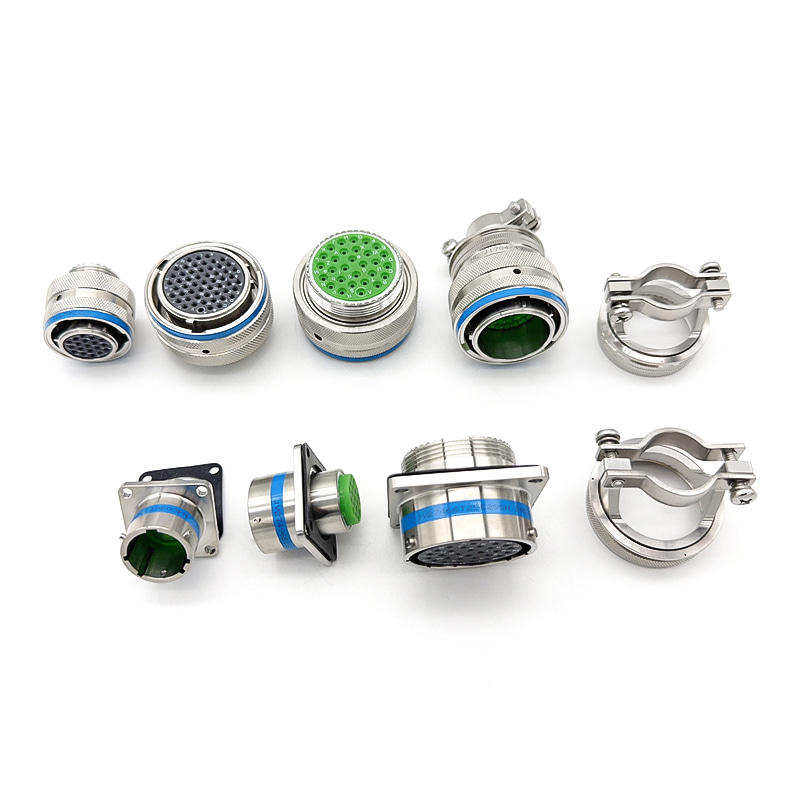
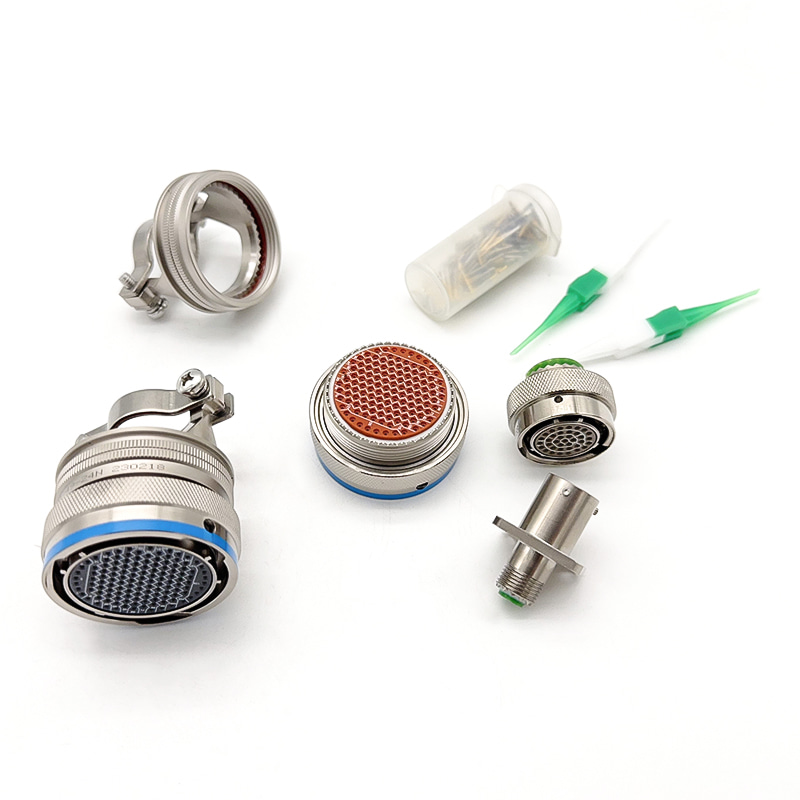
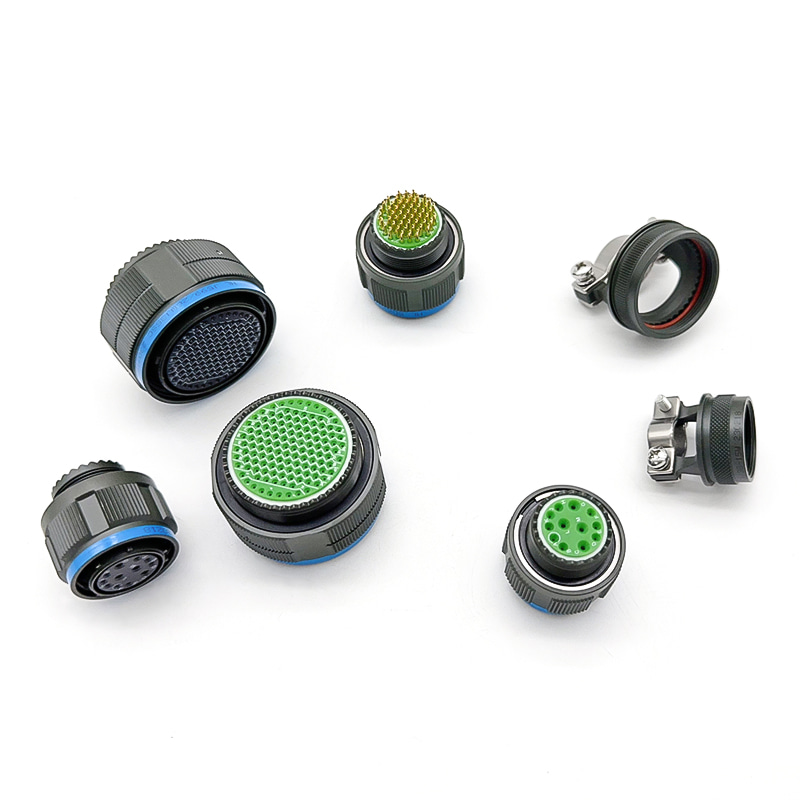
Threaded vs. Push-Pull: Choosing the Right Circle Electrical Connector Locking Mechanism
Industry NewsAuthor: Admin
- 1 The Evolution of Circular Connector Coupling Dynamics
- 2 Threaded Locking Mechanisms: The Standard for High-Vibration
- 3 Push-Pull Locking Mechanisms: Efficiency and Blind-Mating
- 4 Technical Analysis: Threaded vs. Push-Pull Mechanisms
- 5 2025 Industry Standards and Technical Breakthroughs
- 6 About Taizhou Henglian Electric Co., Ltd.
- 7 Frequently Asked Questions (FAQ)
- 7.1 1. Which locking mechanism is better for underwater applications?
- 7.2 2. Can push-pull connectors meet military vibration standards?
- 7.3 3. What does "Three-Defense" function mean?
- 7.4 4. How do I choose between different circular connector coupling types?
- 7.5 5. Are these connectors compatible with the National Power Grid?
In the world of high-performance electronics, the integrity of a connection is defined not just by its electrical conductivity, but by its mechanical stability. Selecting the appropriate circle electrical connector involves a deep understanding of the environment in which it will operate. Whether you are dealing with aerospace vibrations or the rapid-deployment needs of medical devices, the choice between threaded vs push-pull locking mechanisms is critical for long-term system reliability.
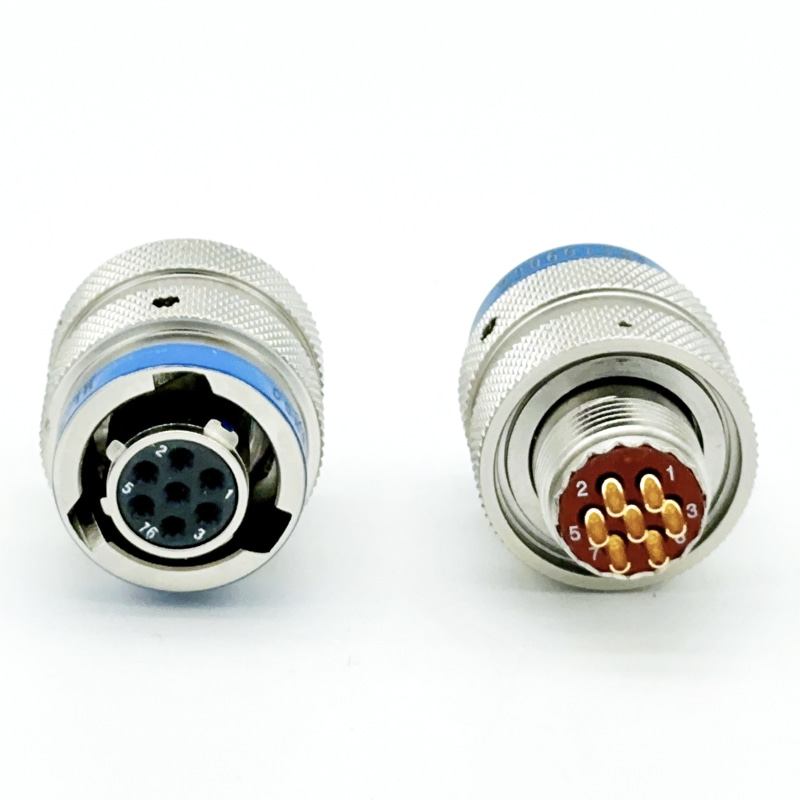
The Evolution of Circular Connector Coupling Dynamics
As industrial and military systems become more complex, the demand for high reliability circular connectors has intensified. Modern engineering focuses on minimizing signal loss and preventing accidental disconnection. According to recent market analysis from Bishop & Associates in late 2024, the global demand for ruggedized interconnects is shifting toward designs that balance rapid mating with extreme environmental sealing.
Source: Bishop & Associates Market Research
Threaded Locking Mechanisms: The Standard for High-Vibration
Threaded coupling is the traditional "gold standard" for security. By using a rotating nut to engage threads on the receptacle, these connectors provide high mechanical force to compress interfacial seals. This ensures that IP68 waterproof circular connectors maintain their integrity even under high hydrostatic pressure.
- Vibration Resistance: Threaded mechanisms are inherently resistant to decoupling caused by harmonic vibrations, making them ideal for the "Second Artillery" and weapon systems.
- Standard Compliance: Many of these designs follow the military standard circular connector series, such as the Y11, Y50, and J599III series produced by Taizhou Henglian Electric.
Push-Pull Locking Mechanisms: Efficiency and Blind-Mating
Push-Pull mechanisms are designed for speed and ease of use. They lock automatically upon insertion and require a simple pull on the outer sleeve to release. This is particularly advantageous in dense panels where there is no room for a technician's hand to rotate a coupling nut.
- Rapid Deployment: Push-pull systems allow for "blind-mating," where the operator can feel the connection click into place without visual confirmation.
- Space Optimization: These connectors allow for higher packing density on equipment panels compared to threaded versions.
Technical Analysis: Threaded vs. Push-Pull Mechanisms
When comparing circular connector coupling types, engineers must evaluate the trade-off between the absolute security of a thread and the operational efficiency of a quick-release system. Threaded connectors offer higher torque resistance but are slower to service, while push-pull systems excel in high-cycle applications but may require specialized designs to match the vibration resistance of threads.
| Feature | Threaded Locking | Push-Pull Locking |
| Mating Speed | Lower (Requires manual rotation) | Very High (Instant click) |
| Vibration Tolerance | Excellent (Self-locking available) | High (Requires internal locking spring) |
| Blind-Mating Capable | Difficult | Excellent |
| Space Requirement | High (Needs finger clearance for turning) | Minimal (Linear movement only) |
2025 Industry Standards and Technical Breakthroughs
The latest updates to the GJB9001C-2017 standards emphasize the need for "Three-Defense" functionality: moisture-proof, salt-spray-proof, and mold-proof. Furthermore, the IEC 61076-2-011:2024 standard recently introduced updated protocols for circular signal connectors, focusing on shielding effectiveness (EMC) in automated industrial environments. These updates ensure that a circle electrical connector can withstand the electromagnetic interference (EMI) prevalent in modern aerospace and national power grid applications.
Source: International Electrotechnical Commission
About Taizhou Henglian Electric Co., Ltd.
Founded in 2011 and located in Taixing City, Taizhou Henglian Electric Co., Ltd. is a high-tech enterprise specializing in the development, production, and sales of premium electrical connectors. With over 150 employees and a dedicated technical center, we provide high reliability circular connectors that meet rigorous national and military standards (Y11, Y50, YGD, J599, etc.). Our products are widely utilized in nuclear energy, aerospace, railway, and geophysical exploration, ensuring secure connections where failure is not an option.
Frequently Asked Questions (FAQ)
1. Which locking mechanism is better for underwater applications?
Typically, threaded mechanisms are preferred for IP68 waterproof circular connectors because the threading provides a constant, high-pressure compression on the O-ring seals, which is vital for deep-sea installations.
2. Can push-pull connectors meet military vibration standards?
Yes. Specialized military standard circular connector series like the Y27 use a "ball-locking" push-pull mechanism that provides high retention force while maintaining the quick-release benefit.
3. What does "Three-Defense" function mean?
In the context of Taizhou Henglian products, it refers to specialized plating and sealing that protects against moisture, salt spray, and fungus, extending the connector's life in harsh environments.
4. How do I choose between different circular connector coupling types?
Consider the "mating cycle" frequency. If the connector is mated and unmated daily, push-pull is more efficient. If it stays connected for years in a vibrating vehicle, threaded is usually superior.
5. Are these connectors compatible with the National Power Grid?
Absolutely. Our YD and YP series are specifically designed to meet the electrical and mechanical safety requirements of the national power grid and other heavy industrial sectors.

- Address : Jiangping South Road, Zhangqiao Industrial Park, Taixing City, Jiangsu Province, China
- Phone : +86 176 0151 5794
- Whatsapp : +86 176 0151 5794
- Email :[email protected]
- Email :[email protected]
Copyright © Taizhou Henglian Electric Co., Ltd
